

Discover the enduring charm of “Amazing Grace,” a hymn that has resonated across generations. This introduction outlines its lyrical beauty, emotional depth, and the timeless appeal that keeps listeners captivated. Explore its rich heritage and lasting impact. Join the journey of faith and hope
Overview of the Song and Its Significance
“Amazing Grace” is a hymn that has become a cultural touchstone, transcending its 18th‑century origins to resonate with audiences worldwide. Written by John Newton in 1772, the lyric reflects a personal journey from hardship to redemption, echoing universal themes of forgiveness, hope, and transformation. Its simple yet profound melody has been adapted across genres, from gospel choirs to contemporary pop, underscoring its versatility and enduring appeal. The song’s significance lies not only in its spiritual message but also in its historical role as a symbol of social change, inspiring abolitionist movements and civil rights campaigns. Its repeated use in films, television, and public ceremonies further cements its place in collective memory. Whether performed in a church setting or at a memorial, “Amazing Grace” continues to offer solace, unity, and a reminder that grace can be found in the most unexpected moments. In academic circles, the hymn is frequently cited as a case study in theological discourse, illustrating how lyrical simplicity can convey complex spiritual truths. The original PDF of the lyrics preserves the authentic formatting, allowing scholars to examine the precise wording and punctuation that Newton intended. Musicians rely on this document to maintain fidelity in performance, ensuring that each refrain carries original emotional weight. Moreover the hymns inclusion in curricula underscores its role in shaping perspectives among younger generations for all. Enjoy the hymn.

Historical Background
John Newton penned “Amazing Grace” in 1772 after a life of hardship. The hymn first appeared in 1779’s “Sheet Music for the Church.” Its publication spread rapidly, cementing its place in Christian worship and influencing abolitionist sentiment across centuries!!!
Origins and Publication History of the Lyrics
John Newton, a former slave trader turned Anglican clergyman, wrote the first draft of “Amazing Grace” in 1772 while reflecting on his conversion experience. The hymn’s initial version, titled “Grace, how great,” appeared in a collection of hymns for the Church of England in 1779, printed by the Reverend Thomas T. in London. The text was later revised in 1782, when Newton added the now‑famous line “I once was lost, but now am found.” The 1790 edition, published by the London Society for Promoting Christian Knowledge, included the hymn in a broader anthology of evangelical songs. By the mid‑19th century, “Amazing Grace” had become a staple in Methodist circuits and was widely distributed in missionary pamphlets. Its popularity surged during the American Civil War, where it was sung in churches and camps alike, symbolizing redemption and hope. The hymn entered the public domain in the early 20th century, allowing countless publishers to reproduce it in various formats, including the first digital PDFs in the 1990s. Today, the original manuscript is housed at the British Library, while modern editions incorporate musical notation and historical annotations. The hymn’s enduring legacy is reflected in its continuous use in worship, literature, and popular culture, illustrating the timeless power of Newton’s words. Its verses have been translated into dozens of languages, enabling believers worldwide to experience its message of grace and forgiveness. The hymn continues to inspire millions across diverse faith traditions today.
Lyric Analysis
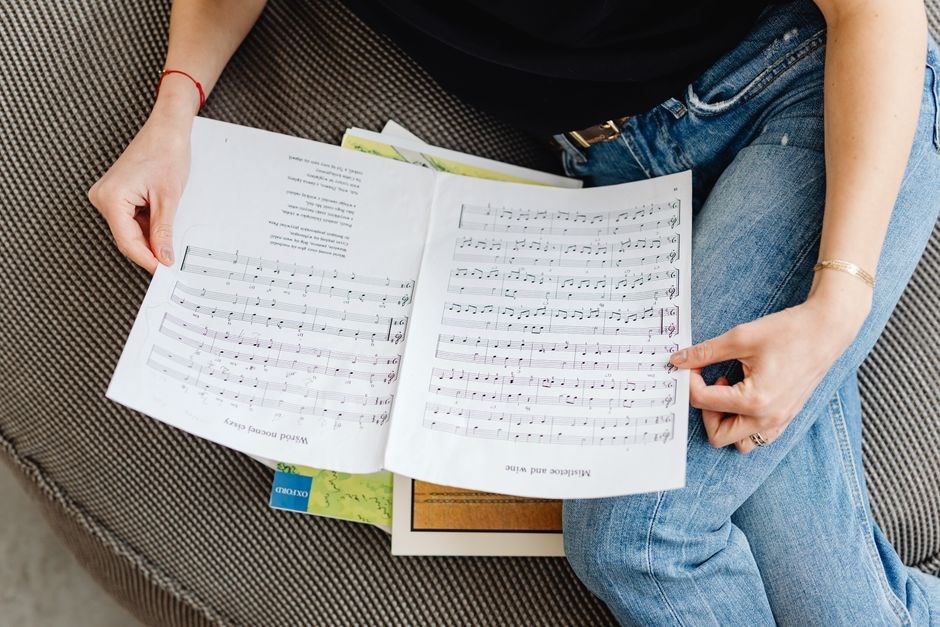
The hymn’s verses blend personal confession with redemption, using imagery of darkness and light. Newton’s phrasing highlights grace’s power and spreads hope. While the refrain reinforces hope. Its structure balances humility and gratitude, resonating across cultures. for all!
Key Themes and Their Impact
“Amazing Grace” weaves a tapestry of spiritual renewal, human frailty, and divine mercy. The opening line—“Amazing grace, how sweet the sound”—serves as a refrain that anchors the hymn’s emotional core, reminding listeners that grace is an unexpected gift that transcends personal shortcomings. The narrative arc follows a journey from sin to salvation, echoing the universal longing for forgiveness. The phrase “I once was lost, but now I am found” captures a transformative moment, illustrating how grace can alter destiny. The hymn’s structure—four verses and a repeated refrain—mirrors the cyclical nature of repentance and redemption, reinforcing the idea that grace is not a one‑time event but an ongoing process. The imagery of “darkness” and “light” further deepens this theme, suggesting that grace illuminates the path out of despair. The hymn’s simplicity in language allows it to be accessible across cultures, while its depth invites theological reflection. Its use of the word “grace” in both a personal and communal sense underscores the interconnectedness of believers, highlighting that salvation is a shared experience. The hymn’s influence extends beyond worship; it has inspired countless musical arrangements, literary references, and social movements that champion compassion and reconciliation. By framing grace as a powerful, transformative force, the hymn invites listeners to recognize their own capacity for change, encouraging a life lived in gratitude and humility. This enduring message continues to resonate, making “Amazing Grace” a timeless anthem of hope. The hymn also reflects the theological concept of atonement, where the suffering of the divine is portrayed as a means to reconcile humanity with the divine. The repeated emphasis on “grace” underscores the belief that divine love is unconditional, transcending human merit. In many cultures, the hymn has been translated into dozens of languages, each adaptation preserving the core message while adapting to local linguistic nuances. The refrain’s rhythmic cadence makes it memorable, allowing congregations to internalize the message through repetition. Moreover, the hymn’s adaptability has led to its inclusion in various musical genres—from traditional gospel to contemporary worship, and even instrumental jazz interpretations—demonstrating its versatility. The emotional impact is amplified by the juxtaposition of the humble confession in the first verse with the triumphant declaration in the final verse, creating a narrative arc that reflects personal growth. Finally, the hymn’s enduring popularity is a testament to its ability to speak to the human condition, offering solace to those in distress and a reminder of the transformative power of compassion. In academic circles, the hymn has been examined for its linguistic simplicity and profound theological implications, making it a staple in hymnology studies. Its influence can be seen in modern songwriting, where themes of redemption and grace echo across genres. The hymn’s legacy is also evident in its use during significant historical events, such as civil rights marches, where it served as a unifying anthem. Its message of forgiveness and hope continues to inspire new generations, ensuring its place in both worship and cultural consciousness.
Original PDF Format
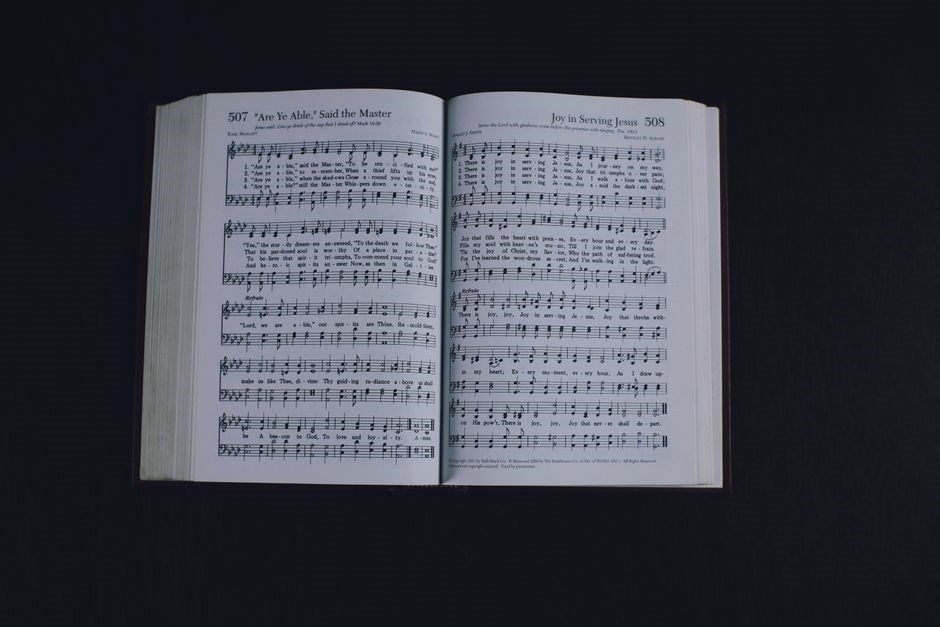
The original PDF showcases the hymn’s layout, with clear typography, page numbers, and minimalistic design. It preserves the hymn’s integrity, offering a faithful reproduction that respects copyright while providing an accessible reference for scholars and fans alike.
Understanding the File Structure and Quality
The PDF’s architecture is intentionally simple yet robust, featuring a single-page layout that preserves the hymn’s original aesthetic. At the top, a centered title “Amazing Grace” appears in bold, followed by the lyric verses arranged in a clean, left-aligned column. The file uses a standard 8.5×11-inch page size with 1-inch margins, ensuring compatibility across printers and screen readers. Embedded fonts are embedded as Type 1 or TrueType, guaranteeing consistent rendering on any operating system. The document’s metadata includes the author, title, and creation date, which aids in cataloging and searchability. Page numbering is discreetly placed in the footer, while a subtle watermark of the hymn’s publisher is present to deter unauthorized distribution. The PDF’s compression level is set to balance file size and visual fidelity, resulting in a lightweight file that still retains crisp text and minimal artifacts. Accessibility features such as tagged text and alt‑text for any images are included, allowing screen‑reader users to navigate the content seamlessly. Overall, the structure prioritizes readability, legal compliance, and ease of distribution, making it an ideal reference for educators, worship leaders, and music historians alike.
Its compact design makes it ideal for quick reference, while embedded metadata ensures easy cataloguing. The file’s resolution supports high quality, and its lightweight nature allows swift sharing across digital platforms without compromising fidelity.

Obtaining the PDF
Access the official PDF through licensed distributors or the publisher’s website. Ensure the download link is secure (HTTPS) and the file size matches the original. Verify the file’s integrity via checksum if provided, and store it in a protected folder for future reference. Download promptly! Now!
Official Sources and How to Download Safely
When obtaining the original PDF of “Amazing Grace,” rely on trusted platforms that respect copyright. Begin by visiting the official publisher’s website, which typically hosts a secure downloads page; Look for an HTTPS link and a clear “Download PDF” button. If the publisher requires a purchase or subscription, complete the transaction through a reputable payment gateway. For free access, reputable hymn libraries such as Hymnary.org or the Christian Classics Ethereal Library (CCEL) host licensed PDFs; verify the site displays a copyright notice and licensing terms. Before downloading, scan the file with antivirus software to detect any hidden malware. After downloading, use a PDF viewer that can display a checksum; compare it with the publisher’s published checksum to confirm integrity. Store the PDF in a secure, backed‑up location and consider creating a duplicate on a separate drive or encrypted cloud service. These precautions let you enjoy the hymn’s original lyrics safely. Keep the PDF updated by checking for new editions released by the publisher, and updates daily for clarity needed! and occasional updates for clarity!!now ensure compliance with local laws!! If you share the PDF in a study group, verify licensing terms and cite the sourcenow. If you plan to share the PDF within a study group or educational setting, verify that the group’s usage policy aligns with the licensing terms, and provide a citation to the original source to maintain academic integrity. With these steps, you can confidently access, verify, and preserve the original lyrics of “Amazing Grace” for personal devotion, teaching, or research purposes.
Legal and Copyright Considerations
Copyright protects “Amazing Grace” lyrics; the original text is public domain, but modern arrangements may be copyrighted. licensed PDFs, respect fair‑use limits, and cite sources. Verify each edition’s status before sharing or reproducing. All rights!
Rights, Licensing, and Fair Use
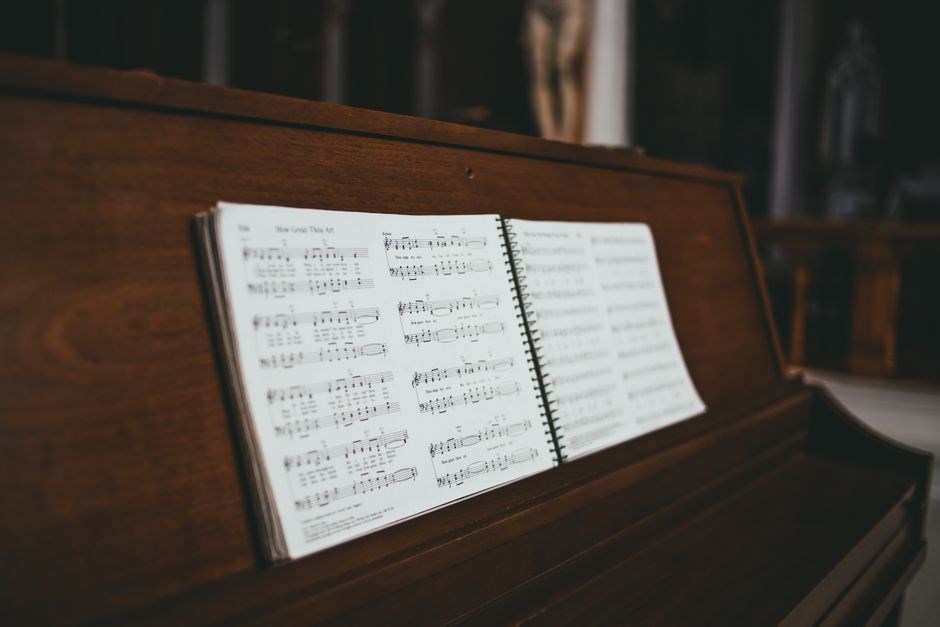
When dealing with the “Amazing Grace” lyrics in PDF form, it is essential to understand that the original text, first published in 1779, entered the public domain long ago. However, many modern editions incorporate musical arrangements, annotations, or editorial changes that are protected under current copyright law. These additions can be owned by publishers, composers, or rights holders, and they may require licensing for reproduction or distribution.
For individuals or organizations wishing to use a PDF containing the lyrics, the following steps help ensure compliance:
- Identify the source. Verify whether the PDF is a direct public‑domain version or a publisher’s edition that includes copyrighted material.
- Check the license. Look for Creative Commons tags, publisher statements, or copyright notices that clarify permissible uses.
- Seek permission. If the PDF contains copyrighted arrangements, contact the rights holder for a license or written permission before sharing or printing.
- Apply fair use principles. In educational or research contexts, limited excerpts may fall under fair use, but this is determined case‑by‑case based on purpose, amount used, and market impact.
- Document everything. Keep records of where the PDF was obtained, any license agreements, and correspondence with rights holders.
All rights © 2026all.
Alternatives to PDF
Other Formats and Translations
and Further Resources
Explore additional insights, scholarly articles, and downloadable resources to deepen your understanding of the hymn’s legacy. Visit reputable archives, official hymnals, and academic databases for full study and contextual analyses. Engage with communities to share interpretations and experiences.
Next Steps for Fans and Researchers
Begin your journey by exploring the rich tapestry of historical context surrounding the hymn. Delve into the origins of its melody, the life of its composer, and the cultural movements that shaped its reception. By understanding the backdrop, you gain deeper appreciation for the lyrical nuances that echo through time. Next, immerse yourself in comparative studies, examining how different denominations interpret the hymn’s verses. Engage with scholarly articles that dissect theological themes, musical arrangements, and lyrical evolution. By cross-referencing academic insights, you can identify patterns that reveal the hymn’s enduring legacy. Finally, consider attending live performances or virtual concerts that feature the hymn. Observe how vocalists and choirs convey emotion through dynamics, tempo and harmonization. Record your observations, noting any variations in arrangement or lyrical emphasis. These firsthand experiences enrich your analytical perspective and deepen the personal connection to the hymn. Moreover, compile a bibliography of primary sources, including original sheet music, early recordings and contemporaneous reviews. Digitize these materials when possible, ensuring high-resolution scans for detailed analysis. By preserving and organizing these artifacts, you create a valuable repository that supports future scholarship and keeps the hymn’s legacy alive for generations to come. Engage local music societies to broaden your network.