

Revenue and Profit Delivery
Restaurant managers drive revenue and profit by crafting detailed business plans, analyzing market demand, and forecasting financial outcomes. They design targeted marketing campaigns, secure financing, and refine service offerings to attract patrons, ensuring consistent growth and profitability. Every.!!
Developing business plans, financial projections, and marketing strategies to increase revenue and profits

In the role of a restaurant general manager, the foundation for sustained profitability begins with the meticulous development of a comprehensive business plan. This plan incorporates a thorough market survey to gauge local demand, competitive analysis to identify strengths and gaps, and a clear articulation of the restaurant’s unique value proposition. By aligning these insights with a realistic assessment of capital requirements, the manager secures appropriate financing while maintaining a healthy debt‑to‑equity ratio that supports long‑term growth.
Financial projections form the backbone of the business plan. Managers create multi‑year forecasts that detail projected sales volumes, average check sizes, and seasonal variations. These projections are broken down into front‑of‑house and back‑of‑house cost categories, allowing for precise budgeting of labor, food, beverage, and overhead expenses. Sensitivity analyses are performed to understand the impact of price changes, cost fluctuations, and promotional activities on net profit margins.
Marketing strategies are then tailored to translate the business plan into tangible revenue streams. Targeted advertising campaigns—leveraging social media, local media outlets, and community partnerships—are designed to attract both new and repeat customers. Promotional events, loyalty programs, and menu engineering initiatives are tested and refined based on real‑time sales data. Continuous evaluation of campaign performance ensures that marketing spend is optimized for the highest return on investment.
Throughout this process, the manager maintains rigorous monitoring of key performance indicators, adjusting tactics in response to market feedback and operational realities. By integrating strategic planning, financial discipline, and dynamic marketing, the restaurant achieves a resilient revenue model that fuels profitability and supports sustainable expansion.

Marketing, Advertising & Community Relations
Managers launch targeted campaigns, craft local ads, and build community ties, drawing patrons and measuring impact. They coordinate events, partner with local groups, and track metrics to refine outreach, ensuring each effort boosts visibility and drives sales.Their outreach builds loyalty, guests regulars.
Implementing marketing campaigns, advertising, and community relations programs to attract customers and evaluate results
Restaurant managers spearhead dynamic marketing initiatives that blend creative advertising with strategic community outreach. They design seasonal promotions, craft compelling social media content, and negotiate local sponsorships to elevate brand visibility. By coordinating press releases and hosting tasting events, they generate buzz and attract new diners. Managers also monitor campaign metrics—tracking foot traffic, reservation upticks, and online engagement—to assess ROI. They analyze sales data, customer feedback, and market trends to refine messaging and adjust budgets, ensuring each effort aligns with evolving consumer preferences. This continuous evaluation loop fuels sustained growth, strengthens community ties, and positions the restaurant as a local culinary destination. Leveraging data analytics, they segment audiences, personalize offers, and deploy targeted email campaigns that drive repeat visits. Partnerships with nearby businesses, charity events, and community festivals broaden reach and foster goodwill. Managers review advertising spend against revenue lift, optimizing media mix across digital, print, and outdoor platforms. They also conduct post‑campaign surveys to capture sentiment, using insights to tweak creative assets and promotional tactics. By maintaining a robust online presence, responding promptly to reviews, and engaging with local influencers, they build a loyal patron base. Ultimately, the manager’s marketing acumen translates into measurable increases in footfall, average check size, and long‑term profitability, while reinforcing the restaurant’s reputation as a vibrant, community‑centric hub. In addition, managers coordinate seasonal festivals, collaborate with local food bloggers, and implement loyalty programs that reward repeat customers. These initiatives not only boost visibility but also create memorable dining experiences that encourage word‑of‑mouth referrals and repeat patronage, further enhancing revenue streams. Results shared daily!
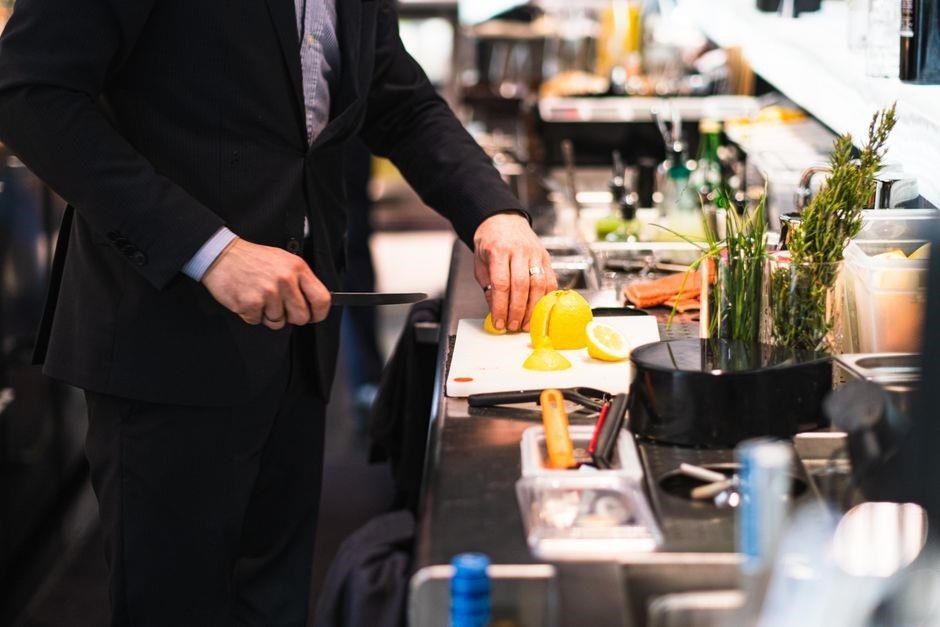
Operations Management

Managers enforce SOPs, production standards, and quality controls. They monitor workflow, adjust staffing, and implement system improvements to maintain productivity and consistency. Continuous training and audit processes ensure high service levels and efficient operations.
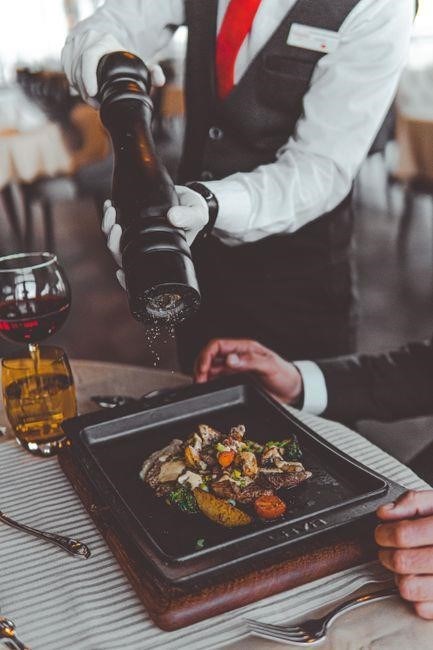
Implementing policies, standard operating procedures, and production standards to maintain quality and productivity
In the restaurant manager’s role, establishing and enforcing policies is paramount. Managers develop comprehensive standard operating procedures (SOPs) that cover every operational facet—from food preparation and plating to front‑of‑house customer interactions. These SOPs are regularly reviewed and updated to reflect industry best practices, regulatory changes, and customer feedback. By codifying processes, managers ensure consistency across shifts, reduce variability in service quality, and streamline training for new hires. Production standards are set through detailed benchmarks for cooking times, portion sizes, and presentation, allowing staff to gauge performance against objective criteria. Managers monitor adherence to these standards through daily audits, visual inspections, and real‑time feedback loops. When deviations occur, corrective actions are promptly implemented, often involving retraining or process adjustments. Continuous improvement is fostered through data collection on key metrics such as order accuracy, service speed, and waste levels. Managers analyze this data to identify bottlenecks, allocate resources more efficiently, and refine SOPs. Additionally, cross‑functional collaboration between kitchen and front‑of‑house teams is encouraged, ensuring that operational policies align with customer expectations. Effective communication of policies via staff meetings, written handbooks, and digital platforms reinforces accountability. By maintaining rigorous standards, managers protect brand reputation, boost customer satisfaction and ultimately drive profitability through excellence.
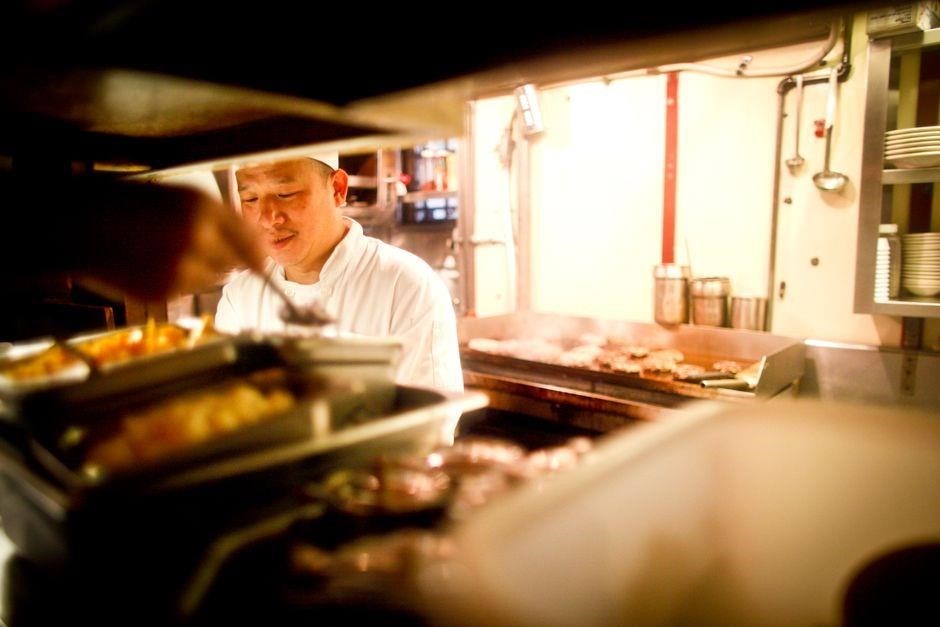
Customer Satisfaction & Service Standards
Restaurant managers monitor and audit food, beverage, and service quality, using customer feedback to drive continuous improvement. They implement training, enforce standards, and nurture patron relationships, ensuring a memorable dining experience that encourages repeat business. All staff receive training to uphold standards.
Monitoring, evaluating, and auditing food, beverage and service offerings to improve customer experience and build patron relationships
Restaurant managers conduct systematic monitoring of every aspect of the dining experience, from the freshness of ingredients to the presentation of plated dishes. They employ a combination of guest surveys, real‑time feedback kiosks, and mystery‑shopping programs to capture both quantitative ratings and qualitative comments. By analyzing these data streams, managers identify recurring pain points—such as slow service, inconsistent portion sizes, or menu miscommunication—and prioritize corrective actions. Auditing procedures involve regular kitchen inspections, beverage tasting sessions, and front‑of‑house service walkthroughs, ensuring compliance with established quality standards and health regulations. Staff are trained to recognize subtle cues of customer dissatisfaction, enabling proactive resolution before complaints arise. Continuous improvement cycles are driven by cross‑functional teams that review audit findings, develop action plans, and track implementation progress through key performance indicators. This rigorous approach not only elevates the overall customer experience but also strengthens loyalty, turning first‑time diners into repeat patrons and brand advocates. By fostering a culture of accountability and excellence, managers create a sustainable competitive advantage that translates into higher satisfaction scores, increased table turnover, and ultimately, stronger revenue streams. Such meticulous oversight not only safeguards the brand’s reputation but also fuels a cycle of innovation, staff engage, and customer delight, ensuring success always

Staff Management & Development
Recruit, train, schedule, coach, evaluate staff; enforce policies; set compensation; maintain professional growth; align goals with restaurant strategy; ensure compliance; build teamwork; foster a culture of excellence. Promote teamwork, set KPIs, reward performers.!
Recruiting, training, scheduling, coaching, and evaluating staff while enforcing policies and managing compensation
Restaurant managers initiate a rigorous recruitment cycle, identifying talent that aligns with the establishment’s culture and service standards. Candidates undergo structured interviews, skill assessments, and reference checks to ensure competency and fit. Selected hires receive comprehensive orientation, covering operational protocols, health‑sanitation guidelines, and customer‑centric service expectations.
Training programs are continuous, blending on‑the‑job instruction with formal workshops. Managers schedule regular skill refreshers, introduce new menu items, and reinforce safety procedures. Scheduling is data‑driven, aligning staff availability with projected traffic, peak periods, and labor cost targets. Shift plans are communicated early, allowing staff to balance personal commitments while maintaining coverage.
Coaching is proactive; managers conduct one‑on‑one sessions to review performance metrics, provide constructive feedback, and set development goals. Performance appraisals occur quarterly, incorporating self‑assessments, peer reviews, and manager observations. Compensation plans are reviewed annually, tying base pay, bonuses, and incentive structures to individual and team outcomes. Policies are enforced consistently, with clear disciplinary pathways for non‑compliance. All.

Financial, Budgeting & Cost Control
Managers oversee budgeting, forecasting, and cost control. They monitor food and labor costs, adjust menus, and negotiate supplier contracts. Regular financial reports guide decisions, ensuring profitability while maintaining quality. Transparency, analysis, and disciplined spending are key.!!!!!
Managing budgets, inventory, cost controls for front‑of‑house and back‑of‑house operations
Effective financial stewardship in a restaurant hinges on meticulous budget creation, inventory oversight, and stringent cost controls across both front‑of‑house (FOH) and back‑of‑house (BOH) functions. A seasoned manager begins by drafting a multi‑year budget that aligns projected revenue streams with anticipated expenses, including labor, food, beverage, utilities, and capital improvements. This budget serves as a living document, reviewed monthly to reconcile variances and adjust forecasts.
- FOH Cost Management: Labor budgets are calibrated using labor‑to‑sales ratios, ensuring service staff levels match peak demand. Shift schedules are optimized with scheduling software, reducing overtime while maintaining service quality. Beverage inventory is tracked through POS integration, allowing real‑time adjustments to purchase orders and minimizing waste.
- BOH Cost Management: Food cost percentages are monitored via a standardized recipe costing system. Portion control is enforced through staff training and regular audits, preventing over‑serving and preserving margin.
- Inventory Control: A perpetual inventory system is implemented, combining physical counts with electronic tracking. Stock rotation eliminates spoilage, while shrinkage reports identify theft or mismanagement. Automated reorder alerts trigger timely restocking, preventing stockouts.
- Cost‑Saving Initiatives: Energy audits reduce utility expenses, and equipment maintenance schedules extend asset life. Cross‑training staff increases flexibility, allowing FOH and BOH teams to cover each other during peak periods without hiring additional personnel.
- Financial Reporting: Monthly profit‑and‑loss statements, variance analyses, and key performance indicators such as food cost %, labor cost %, and table turnover are presented to stakeholders, informing strategic decisions.

Health, Safety & Regulatory Compliance
Restaurant managers enforce sanitation standards, maintain security systems, and ensure compliance with health and legal regulations, safeguarding staff and patrons while upholding industry best practices.
Regular audits and training ensure compliance.
Establishing sanitation standards, maintaining security systems, and ensuring compliance with health and legal regulations
Restaurant managers set and enforce rigorous sanitation protocols, ensuring every surface, utensil, and ingredient meets health code requirements. They conduct daily inspections, document findings, and implement corrective actions, thereby preventing contamination and safeguarding guests.
Security systems are monitored continuously—cameras, access controls, and alarm protocols—to protect staff, inventory, and patrons. Managers coordinate with local law enforcement, review incident reports, and update emergency response plans.
Compliance with health and legal regulations is maintained through regular audits, staff training, and staying current with evolving food safety laws. Managers submit required reports, secure necessary permits, and adapt policies to meet new standards.
Ongoing education—attending industry seminars, reviewing regulatory updates, and consulting with health inspectors—keeps managers informed about best practices and emerging threats, ensuring the restaurant remains a safe, compliant, and welcoming environment.
Continuous improvement is embedded through routine audits, staff drills, and cross‑departmental reviews. Managers schedule quarterly safety briefings, update SOPs, and integrate feedback from health inspectors. They also oversee emergency evacuation drills, ensuring every employee knows protocols and can act swiftly. Regular training boosts compliance and morale!