
Hiroshima Book PDF: A Comprehensive Guide
Discover essential resources for accessing literature about Hiroshima in PDF format. This guide explores online availability, legal considerations, and software options for a comprehensive reading experience.
Explore survivor accounts, historical analyses, and fictional works, all readily available as downloadable PDFs, preserving vital memories and fostering deeper understanding.
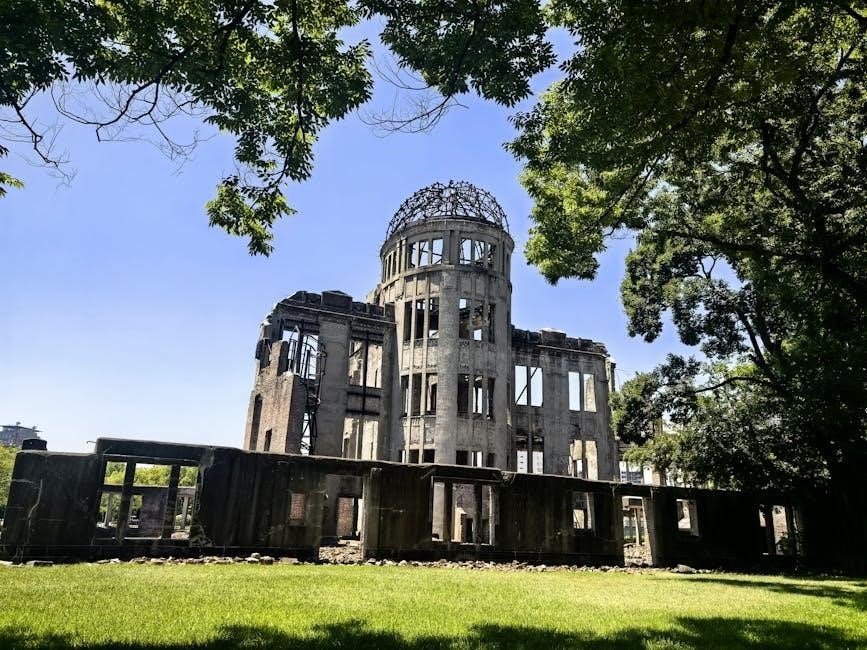
Hiroshima literature encompasses a powerful and diverse collection of works responding to the atomic bombing of Hiroshima on August 6, 1945. These writings range from journalistic accounts and personal memoirs to fictional narratives and scholarly analyses. The initial wave of literature focused on immediate devastation and human suffering, aiming to document the unprecedented scale of the tragedy.
Early publications, often translated into English, brought the horrors of Hiroshima to a global audience. The availability of these texts in PDF format has dramatically increased accessibility, allowing researchers, students, and general readers to engage with these crucial historical documents.
PDFs offer a convenient and cost-effective way to study these works, facilitating research and preserving these important narratives for future generations. The digital format allows for easy searching, annotation, and sharing, furthering the dissemination of knowledge about this pivotal moment in history. Exploring these texts provides profound insights into the human cost of war and the enduring quest for peace.
Historical Context of Hiroshima Books
The immediate aftermath of the Hiroshima bombing saw a suppression of information in wartime Japan and, initially, in the Allied occupation. Early accounts were often filtered or incomplete. However, as restrictions eased, firsthand testimonies began to emerge, forming the bedrock of Hiroshima literature.
John Hersey’s “Hiroshima” (1946) was groundbreaking, offering a detailed, human-centered reportage that brought the event to international attention. Later, works like “Barefoot Gen” (1973) provided a harrowing, autobiographical perspective from a survivor’s childhood.
The availability of these books in PDF format reflects a broader trend towards digital archiving and open access to historical materials. This accessibility is crucial, as it allows for wider study and remembrance. PDFs circumvent physical limitations, ensuring these vital narratives remain available despite the passage of time and potential deterioration of original texts. Understanding this historical evolution is key to appreciating the significance of these digital resources.
Availability of Hiroshima Book PDFs Online
Numerous online platforms host Hiroshima-related books in PDF format, ranging from academic archives to general ebook repositories. Websites dedicated to historical documents often feature digitized copies of key texts, including survivor testimonies and governmental reports.
However, the legality of accessing these PDFs varies significantly. Many older works are now in the public domain, allowing for free distribution. Others remain under copyright, requiring purchase or library access.
Search engines are a starting point, but results often lead to unreliable sources. Dedicated digital libraries and university websites generally offer more trustworthy PDFs. Furthermore, organizations focused on peace studies and atomic bomb remembrance frequently provide curated collections. Caution is advised when downloading from unfamiliar sites, as these may contain malware or copyright-infringing material. Always verify the source before downloading.
Popular Hiroshima Books Available as PDFs
Several impactful books detailing the Hiroshima bombing are frequently sought in PDF format. John Hersey’s “Hiroshima” remains a cornerstone, offering a harrowing account of six survivors’ experiences immediately after the blast. Finding legitimate PDF access can be challenging due to copyright, often requiring purchase or library borrowing.
Keiji Nakazawa’s “Barefoot Gen,” a semi-autobiographical manga, vividly portrays the devastation through the eyes of a young boy. PDF versions are more readily available, though verifying their source is crucial. “The Bells of Hiroshima,” a collection of poems and artwork, also circulates online in PDF form.
These titles, alongside others documenting the event’s historical and human impact, provide crucial insights. Availability fluctuates, and users should prioritize legal and safe download options. Exploring university library databases and reputable ebook platforms is recommended.
“Hiroshima” by John Hersey ー PDF Access
Securing a PDF copy of John Hersey’s “Hiroshima” often requires navigating copyright restrictions. While freely available PDFs exist online, many are of questionable legality and quality. Purchasing the ebook from authorized retailers like Amazon Kindle, Google Play Books, or Apple Books provides a legitimate and reliable PDF version.
University libraries with digital collections frequently offer access to “Hiroshima” as a PDF to enrolled students and faculty. Checking your local library’s online resources is a valuable first step. Some online archives may also host digitized copies, but verifying their legal status is essential.
Beware of websites promising free downloads from unverified sources, as these may contain malware or violate copyright laws. Prioritize reputable platforms to ensure a safe and legal reading experience of this seminal work.
“Barefoot Gen” by Keiji Nakazawa ー PDF Options
Finding a PDF of Keiji Nakazawa’s “Barefoot Gen” presents similar challenges to “Hiroshima,” concerning copyright and source reliability. Due to its graphic content and historical significance, demand for digital access is high, leading to numerous unofficial PDFs circulating online.
Legitimate PDF access is best obtained through purchasing the ebook from established platforms. Digital retailers often carry “Barefoot Gen” in PDF format, ensuring a legal and high-quality reading experience. Some educational institutions may provide access through their digital library resources.
Exercise caution when downloading from free file-sharing sites. These sources frequently harbor viruses or offer incomplete, poorly scanned versions. Supporting the author and publisher by acquiring a licensed PDF is the recommended approach.
“The Bells of Hiroshima” ⸺ PDF Sources
Locating a PDF version of “The Bells of Hiroshima” can be more difficult than finding widely-known titles. This collection of poems, often anthologized, doesn’t always have a dedicated, readily available digital edition. Searching online booksellers and digital libraries is a good starting point.
University libraries and academic databases frequently archive collections of poetry, potentially including “The Bells of Hiroshima” in PDF format. Interlibrary loan services can also be utilized to access materials not directly available.
Beware of unofficial sources offering free downloads. These may contain errors, incomplete texts, or even malware. Prioritize reputable platforms and verify the authenticity of any PDF before downloading. Consider purchasing a physical copy or a legitimate ebook version to support the authors and publishers.
Finding Reliable PDF Sources
Prioritize established digital libraries and reputable online bookstores when seeking Hiroshima-related book PDFs. Project Gutenberg, Internet Archive, and university library websites often offer legally sourced, free PDFs of older works. Look for PDFs hosted on the official websites of publishers or authors, ensuring authenticity and quality.
Google Scholar can be a valuable tool, directing you to academic papers and research materials related to Hiroshima, some available as PDFs. However, always verify the source’s credibility before downloading.
Exercise caution with websites offering “free PDF downloads” – these are frequently unreliable and may contain viruses or pirated content. Stick to trusted sources and be wary of sites requesting personal information. Checking for HTTPS security and a clear privacy policy are crucial steps in ensuring a safe download experience.
Legality and Copyright Considerations
Downloading and distributing copyrighted material, even in PDF format, without permission is illegal. Most books are protected by copyright laws, meaning authors and publishers retain exclusive rights to their work. Accessing PDFs from unauthorized sources constitutes copyright infringement, potentially leading to legal consequences.
Public domain works, however, are free to download and distribute. Books published before a certain date (varying by country) generally fall into the public domain. Project Gutenberg specializes in offering free ebooks of public domain literature, including some relevant to Hiroshima’s history.
Fair use doctrines may allow limited use of copyrighted material for educational or research purposes, but this is a complex legal area. Always respect copyright laws and seek permission from the copyright holder when necessary. Supporting authors and publishers by purchasing legitimate copies is crucial.
Risks of Downloading PDFs from Unverified Sources
Downloading PDFs from untrustworthy websites carries significant risks. These files can harbor malware, viruses, and other malicious software that can compromise your device and personal information. Phishing attempts are also common, disguised as legitimate book downloads to steal credentials.

Compromised PDFs may contain hidden scripts or links leading to harmful websites. Poorly secured sites often lack proper scanning for viruses, increasing the likelihood of infection. The quality of the PDF itself can be questionable, with potential formatting errors or incomplete content.
Protect yourself by only downloading from reputable sources. Utilize antivirus software and keep it updated. Be wary of sites offering free downloads of recently published or highly sought-after books, as these are often illegal and risky. Prioritize legal and verified platforms for a safe reading experience.
Software Required to Open Hiroshima Book PDFs
Accessing Hiroshima-related literature in PDF format requires suitable software. The most common and widely used application is Adobe Acrobat Reader, a free program available for Windows, macOS, Android, and iOS. It provides essential viewing, printing, and annotation features.
However, numerous alternative PDF readers exist. Foxit Reader is a lightweight and fast option, offering similar functionality to Acrobat Reader. Sumatra PDF is another excellent choice, known for its minimal resource usage and speed. Web browsers like Chrome, Firefox, and Edge also have built-in PDF viewers.
Ensure your chosen software is up-to-date for optimal performance and security. Some PDFs may require specific versions of Acrobat Reader or plugins for interactive elements. Compatibility issues are rare, but having a reliable PDF reader is crucial for a seamless reading experience.
Adobe Acrobat Reader ー A Common Solution
Adobe Acrobat Reader stands as the industry standard for viewing, printing, and interacting with PDF documents, including those detailing the history and impact of Hiroshima. Its widespread adoption ensures broad compatibility with virtually all Hiroshima book PDFs available online.
This free software offers a user-friendly interface and essential features like zoom, search, and page navigation. Beyond basic viewing, Acrobat Reader allows for digital signatures, form filling, and commenting – useful for academic study or personal reflection on the texts.
Regular updates from Adobe enhance security and functionality, protecting users from potential vulnerabilities. While paid versions offer advanced editing capabilities, the free Reader is perfectly sufficient for accessing and reading Hiroshima-related PDFs, making it a practical and reliable choice for researchers and readers alike.
Alternative PDF Readers
While Adobe Acrobat Reader dominates the PDF landscape, several excellent alternatives exist for accessing Hiroshima book PDFs. Foxit Reader provides a lightweight and fast experience, often preferred for older systems or those seeking a quicker loading time. It boasts comparable features to Acrobat Reader, including annotation and form-filling capabilities.
Sumatra PDF is another notable option, renowned for its minimal resource usage and portability. It’s ideal for users prioritizing speed and simplicity. PDF-XChange Editor, though offering a paid version, has a robust free tier with advanced features like OCR (Optical Character Recognition) – useful for scanned Hiroshima documents.
These alternatives ensure accessibility regardless of operating system or user preference, offering diverse options for engaging with crucial literature surrounding the events of Hiroshima. Choosing the right reader depends on individual needs and technical specifications.
Optimizing PDF Viewing Experience

Enhance your reading of Hiroshima book PDFs with a few simple adjustments; Utilize the zoom function within your PDF reader to find a comfortable reading level, especially crucial for detailed historical texts or smaller font sizes. Enable continuous scrolling for a smoother, more immersive reading experience, minimizing page turns.
Adjust display settings like brightness and contrast to reduce eye strain, particularly during extended reading sessions. Consider using the ‘reflow text’ feature (if available) to dynamically adjust the text layout to your screen size. Employ the bookmarking tool to easily navigate key sections within lengthy Hiroshima narratives.
Experiment with different color themes – a dark mode can be beneficial in low-light conditions. These optimizations ensure a more accessible and enjoyable engagement with important historical and literary works.
Adjusting PDF Settings for Readability
Maximize comprehension when reading Hiroshima book PDFs by tailoring the display settings. Access the ‘View’ menu in your PDF reader to customize your experience. Adjust page layout options – single page, continuous scroll, or two-page view – to suit your preference. Experiment with zoom levels to find a comfortable reading size, crucial for detailed texts.
Enable or disable image display if focusing solely on the text. Utilize the ‘hand tool’ for easy navigation, and the ‘select tool’ for highlighting important passages. Consider accessibility options like increasing font size or changing the text color for improved visibility.
Explore reading mode features, if available, which often minimize distractions and optimize the layout for focused reading of these significant historical documents.
Converting PDF to Other Formats
Enhance accessibility and usability of Hiroshima book PDFs by converting them to alternative formats. Utilize online PDF conversion tools – many free options are available – to transform PDFs into formats like EPUB, MOBI, or TXT. EPUB and MOBI are ideal for e-readers, allowing adjustable font sizes and layouts. TXT format strips away formatting, providing a plain text version for easy copying and pasting.
Consider the potential loss of formatting during conversion, especially with complex layouts or images. Verify the converted text for accuracy, ensuring no crucial information is lost or altered. Desktop software also offers conversion capabilities, often with more control over output settings.
Choose the format best suited to your reading device and preferences, ensuring continued access to these important historical narratives.
Using Online PDF Conversion Tools
Numerous online tools facilitate converting Hiroshima book PDFs to other formats like Word, EPUB, or TXT. Popular options include Smallpdf, iLovePDF, and Zamzar, offering user-friendly interfaces and generally reliable results. Simply upload your PDF, select the desired output format, and initiate the conversion process.
Be mindful of file size limitations imposed by some free services. Larger PDFs might require a paid subscription for successful conversion. Always review the converted document for formatting errors or text discrepancies, as conversions aren’t always perfect.
Prioritize reputable websites with secure connections (HTTPS) to protect your data. Avoid sites with excessive advertisements or suspicious requests. These tools provide convenient access, broadening the reach of Hiroshima literature.
Preserving the Memories: Survivor Accounts in PDF Format
PDFs offer a crucial medium for preserving and distributing first-hand accounts from Hiroshima survivors. Digital archiving ensures these vital testimonies remain accessible to future generations, safeguarding against physical deterioration or loss. Many organizations and individuals have digitized survivor stories, making them available as downloadable PDFs.
These narratives provide invaluable insights into the human cost of the atomic bombing, offering perspectives often absent from historical analyses. Reading these accounts fosters empathy and a deeper understanding of the event’s lasting impact; PDF format allows for easy sharing and preservation of these powerful stories.
Accessing these PDFs contributes to a collective effort to remember and learn from the past, honoring the resilience and experiences of those who endured the tragedy.
The Importance of First-Hand Narratives
First-hand narratives from Hiroshima survivors offer a uniquely powerful and humanizing perspective on the atomic bombing. Unlike historical reports or analyses, these accounts convey the raw emotional and physical realities experienced by those directly affected. PDFs facilitate the widespread distribution of these crucial testimonies.
These personal stories provide invaluable context, revealing the immediate aftermath, long-term consequences, and the enduring psychological trauma. They challenge simplified narratives and encourage critical thinking about the event’s complexities. Accessing these PDFs allows readers to connect with the human cost of war on a deeply personal level.
Preserving these voices is essential for ensuring that the lessons of Hiroshima are not forgotten, fostering empathy, and promoting a commitment to peace. Digital formats like PDF ensure their longevity and accessibility.
Resources for Further Research on Hiroshima Literature
Numerous online archives and academic databases offer extensive resources for researching Hiroshima literature, many with downloadable PDFs. The Hiroshima Peace Memorial Museum website (https://hpmmuseum.co.jp/) provides valuable historical context and links to related materials.
Project MUSE and JSTOR are excellent platforms for accessing scholarly articles and book chapters, often available in PDF format through institutional access. The National Diet Library of Japan (https://www.ndl.go.jp/en/) holds a vast collection of Japanese literature, including works related to Hiroshima.
University libraries worldwide often digitize collections, making rare texts accessible as PDFs. Exploring online forums and communities dedicated to Hiroshima studies can also uncover valuable resources and research leads. Remember to critically evaluate sources and verify their authenticity.