
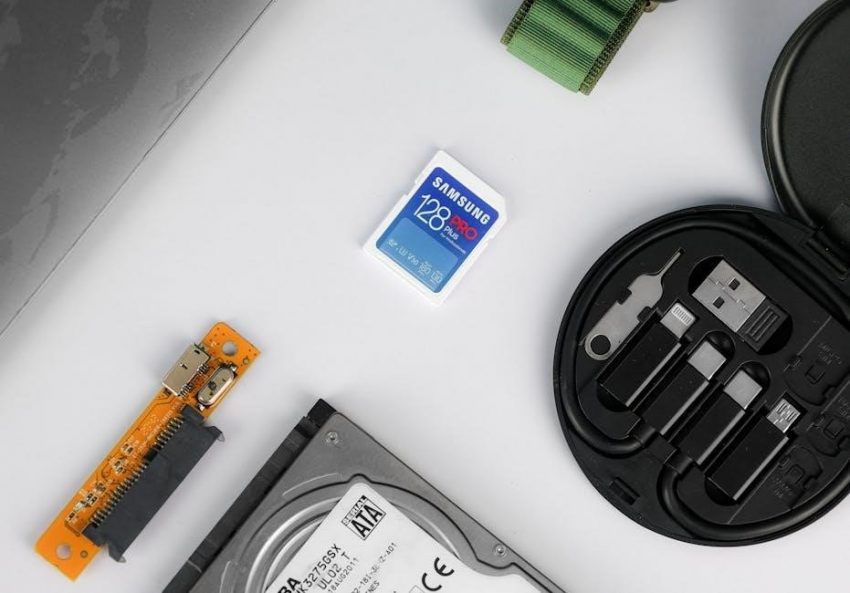
USB hubs are essential for expanding device connectivity‚ especially with the rise of USB-C and the need for faster data transfer speeds like those offered by USB4 Version 2.0.
What is a USB Hub and Why Use One?

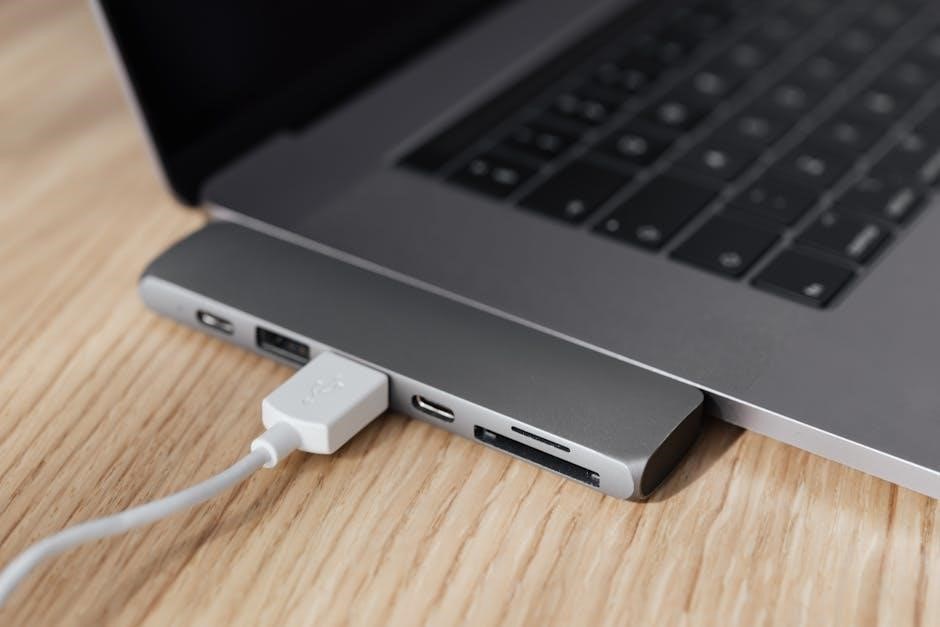
USB hubs are fundamental tools for modern computing‚ acting as expanders for your computer’s limited USB ports. Essentially‚ a hub allows you to connect multiple devices – from flash drives and external hard drives to keyboards‚ mice‚ and even charging cables – through a single USB port on your laptop‚ tablet‚ or desktop.
Why use one? Modern devices increasingly rely on USB connections‚ often USB-C‚ for both power and data transfer. Laptops‚ particularly‚ may lack sufficient ports for all your peripherals. A hub solves this‚ offering a convenient‚ centralized connection point. Investing in a multi-port hub‚ like those from Anker or Satechi‚ is a smart decision for managing numerous essentials.
Understanding USB Standards: A Historical Overview
USB (Universal Serial Bus) has evolved significantly since its inception in the mid-1990s. Initially‚ USB 1.0 and 1.1 offered relatively slow data transfer rates‚ sufficient for keyboards and mice but limiting for larger files. USB 2.0‚ released in 2000‚ dramatically increased speeds to 480 Mbps‚ becoming the standard for many years.
The need for even faster transfer rates led to USB 3.0 (later renamed USB 3.1 Gen 1 and USB 3.2 Gen 1×1)‚ boasting speeds up to 5 Gbps. Subsequent iterations‚ USB 3.1 Gen 2 and USB 3.2 Gen 2×2‚ further pushed boundaries. Today‚ USB4 and its latest version‚ USB4 Version 2.0‚ represent the cutting edge‚ offering speeds up to 80 Gbps‚ revolutionizing data transfer capabilities.
USB 2.0 vs. USB 3.0 vs. USB 3.1 vs. USB 3.2
USB 2.0‚ with its 480 Mbps speed‚ was a significant improvement but now feels slow. USB 3.0 (5 Gbps) introduced a noticeable speed boost‚ often identified by its blue connector. USB 3.1 further complicated things‚ splitting into Gen 1 (5 Gbps – essentially USB 3.0) and Gen 2 (10 Gbps).
USB 3.2 added even more variations: Gen 1×1 (5 Gbps)‚ Gen 2×1 (10 Gbps)‚ and Gen 2×2 (20 Gbps)‚ utilizing multiple lanes for increased bandwidth. This naming convention created confusion‚ but understanding these distinctions is crucial when selecting a USB hub to ensure it meets your data transfer needs and device capabilities.
USB4 and USB4 Version 2;0: The Latest Advancements
USB4 represents a major leap forward‚ building upon the Thunderbolt protocol to deliver significantly faster data transfer speeds and increased functionality. It offers up to 40 Gbps‚ combining data‚ video‚ and power delivery. However‚ USB4 Version 2.0 doubles that‚ reaching an astounding 80 Gbps!
This latest iteration‚ currently being tested in Windows 11 Insider builds‚ promises even quicker transfers for demanding tasks. Choosing a USB hub supporting USB4 or USB4 Version 2.0 future-proofs your setup‚ ensuring compatibility with the newest devices and maximizing data throughput.
Data Transfer Speeds of USB4 Version 2.0 (80Gbps)
USB4 Version 2.0’s headline feature is its incredible 80Gbps data transfer speed – twice that of the original USB4 and USB 3.2. This translates to significantly faster file transfers‚ particularly for large files like high-resolution videos or extensive datasets.
Imagine transferring a terabyte of data in a matter of seconds! This speed boost isn’t just about convenience; it unlocks new possibilities for professionals working with bandwidth-intensive applications. A USB hub leveraging this technology is crucial for maximizing the potential of modern devices and workflows.
Types of USB Hubs Available
USB hubs come in various forms to suit different needs. USB-A hubs are the traditional standard‚ offering broad compatibility‚ while USB-C hubs are increasingly popular due to their faster speeds and power delivery capabilities. Thunderbolt hubs provide even greater bandwidth and versatility‚ often supporting multiple displays.
Another key distinction is between powered and unpowered hubs. Powered hubs have their own power source‚ ensuring stable performance for power-hungry devices. Unpowered hubs rely on the host computer’s power‚ which can limit functionality with certain peripherals.
Powered vs. Unpowered USB Hubs
Powered USB hubs possess an external power source‚ delivering consistent and reliable power to all connected devices. This is crucial for devices demanding significant power‚ like external hard drives or high-powered audio interfaces‚ preventing data corruption or intermittent connections. They ensure optimal performance even with multiple peripherals active simultaneously.
Unpowered USB hubs‚ conversely‚ draw power directly from the host computer. While simpler and often more affordable‚ they are limited by the computer’s USB port power output. This can lead to issues with power-hungry devices‚ resulting in slower transfer speeds or complete device failure.
USB-A‚ USB-C‚ and Thunderbolt Hubs: Which to Choose?
USB-A hubs offer broad compatibility with older devices‚ remaining a practical choice for legacy peripherals. However‚ they are limited by the slower speeds of USB 2.0 or 3.0. USB-C hubs are increasingly popular‚ supporting faster data transfer rates and Power Delivery for charging laptops. They represent a versatile‚ modern solution.
Thunderbolt hubs‚ utilizing the Thunderbolt protocol‚ provide the highest speeds and bandwidth‚ ideal for demanding applications like video editing or external GPUs. They often support daisy-chaining multiple devices. Consider your devices and needs – USB-C offers a balance‚ while Thunderbolt excels in performance.
Factors Affecting USB Hub Data Transfer Speed
Data transfer speeds through a USB hub aren’t always as advertised. Cable quality and length significantly impact performance; longer‚ lower-quality cables can introduce signal degradation. Device compatibility also plays a role – connecting a USB 2.0 device to a USB 3.0 hub won’t achieve USB 3.0 speeds.
Furthermore‚ bottlenecks can occur if multiple devices simultaneously demand high bandwidth. The hub’s overall bandwidth is shared‚ potentially slowing down individual transfers. Ensure your devices and cables support the hub’s maximum speed for optimal performance and consider powered hubs for demanding setups.
Cable Quality and Length
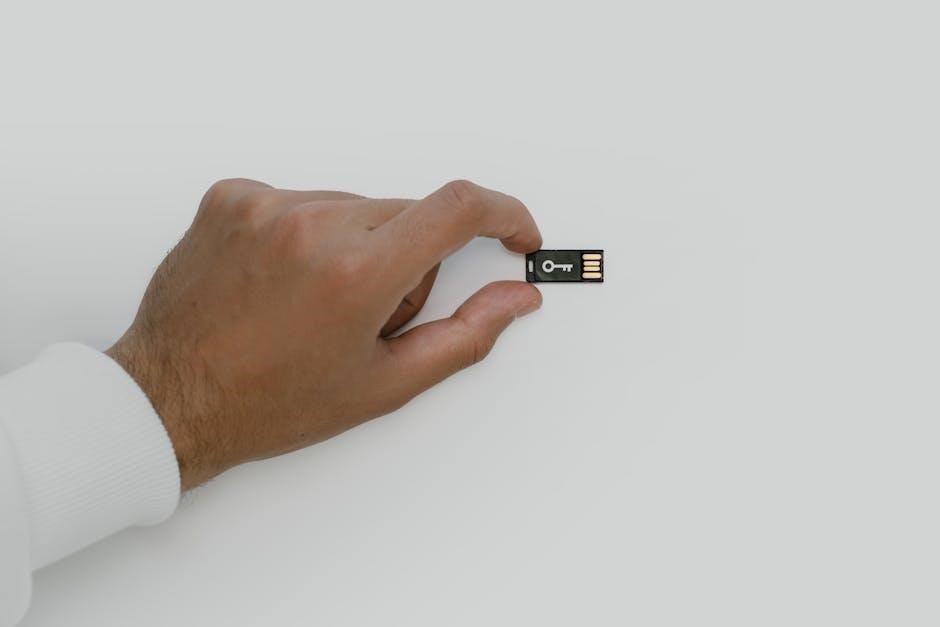
Cable quality is paramount for maximizing USB hub data transfer speeds. Inferior cables‚ lacking proper shielding‚ are susceptible to signal interference‚ reducing bandwidth and reliability. Opt for cables certified to meet USB specifications‚ ensuring consistent performance. Cable length also matters significantly; longer cables increase resistance and signal loss.
Generally‚ keep USB cable lengths under 3 meters for USB 3.0 and shorter for higher speeds like USB 3.2 or USB4. Active USB cables‚ with built-in signal boosters‚ can extend this range‚ but at a cost. Prioritize shorter‚ high-quality cables for the most stable and fastest data transfers.
Device Compatibility and Bottlenecks
Device compatibility plays a crucial role in USB hub data transfer speeds. Connecting older USB 2.0 devices to a USB 3.0 or USB4 hub won’t magically increase their speed; they’ll operate at their native USB 2.0 limitations. Identifying potential bottlenecks is key. If a device connected to the hub is slow‚ it can impede the transfer speed for all connected devices.
Ensure all devices support the hub’s USB standard to realize its full potential. Consider the bandwidth requirements of each connected device; high-bandwidth devices like external SSDs need dedicated connections for optimal performance.
Optimizing Data Transfer Through Your USB Hub
Maximizing data transfer through a USB hub requires attention to detail. Using the correct USB port on your computer is paramount – connect the hub to a USB 3.0 or USB4 port for significantly faster speeds than USB 2.0. Regularly check for and install driver updates for both the hub and connected devices; outdated drivers can cause performance issues.
Software considerations are also important. Close unnecessary applications during large transfers to free up system resources. A clean and optimized operating system contributes to smoother and faster data flow through the hub.
Using the Correct USB Port on Your Computer
Selecting the appropriate USB port on your computer is crucial for optimal data transfer speeds when utilizing a USB hub. USB 2.0 ports‚ while ubiquitous‚ offer significantly slower speeds compared to newer standards. Prioritize connecting your hub to a USB 3.0 or USB 3.1 port‚ easily identifiable by their blue color‚ for a substantial performance boost.
Furthermore‚ USB4 ports provide the fastest transfer rates currently available. Ensuring your hub and devices are compatible with the port’s capabilities unlocks the full potential for rapid data exchange.
Driver Updates and Software Considerations
Maintaining up-to-date drivers for your USB hub and computer’s chipset is paramount for ensuring optimal performance and compatibility. Outdated drivers can lead to reduced transfer speeds or even device recognition issues. Regularly check your computer manufacturer’s website for the latest driver versions.
Software running in the background can also impact USB transfer speeds. Closing unnecessary applications frees up system resources‚ potentially improving data flow. Additionally‚ some hubs may require specific software for full functionality‚ so ensure it’s installed and current.
Best USB Hubs for Data Transfer (2026)
Selecting the right USB hub hinges on your needs and device compatibility. Satechi’s 4-in-1 USB-C Hub stands out as a portable and reliable option‚ particularly for those embracing the USB-C standard. It optimizes data transfers‚ catering to the growing number of USB-C accessories.
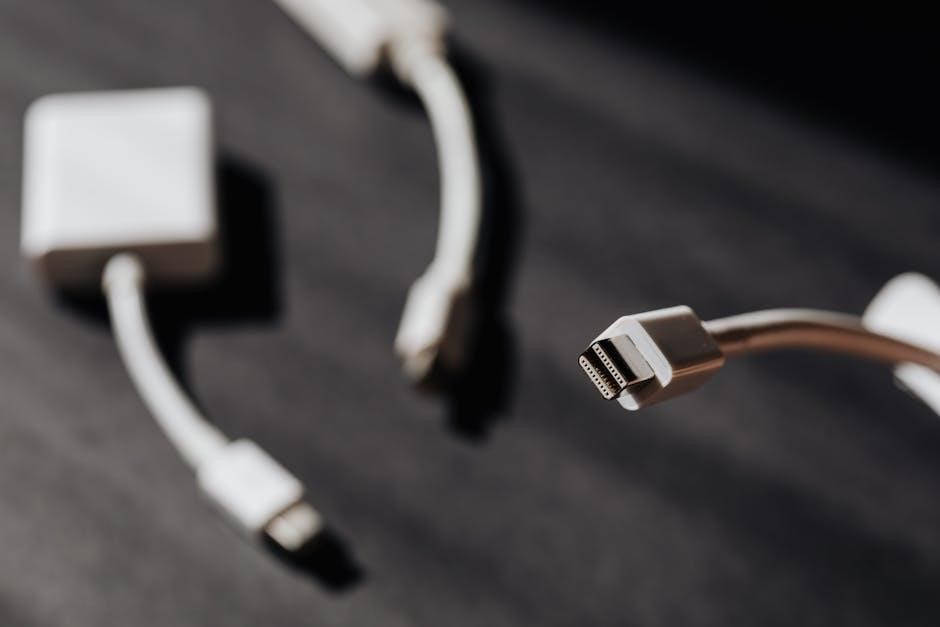
Anker consistently delivers high-quality USB hubs‚ offering a range of solutions for various budgets and port requirements. Their hubs are known for stability and efficient data throughput‚ making them a popular choice for professionals and everyday users alike. Consider Anker for robust performance.
Satechi 4-in-1 USB-C Hub Review
The Satechi 4-in-1 USB-C Hub is a compelling solution for modern connectivity needs. It’s designed for portability‚ making it ideal for users constantly on the move. This hub effectively optimizes data transfers between your laptop and various USB-C accessories‚ addressing the increasing reliance on this connection type.
Its compact design doesn’t compromise functionality‚ offering a blend of convenience and performance. More and more devices are adopting USB-C‚ and this hub provides a seamless bridge for older peripherals. Satechi delivers a reliable option for expanding your laptop’s capabilities.
Anker USB Hub Recommendations
Anker consistently ranks among the top manufacturers of USB hubs‚ offering a diverse range of options to suit various needs. Investing in a multi-port USB hub from Anker can be a smart decision‚ particularly when dealing with numerous essential devices requiring connection.
Their products are known for reliability and build quality‚ ensuring stable data transfer performance. Anker hubs cater to different USB standards‚ including USB-A‚ USB-C‚ and even Thunderbolt‚ providing flexibility. Consider Anker for a dependable solution to expand your connectivity and streamline your workflow.
USB Hubs for Specific Devices
Choosing a USB hub tailored to your device can optimize performance. Apple laptops‚ like MacBooks‚ benefit from USB-C or Thunderbolt hubs‚ maximizing the capabilities of their limited ports and supporting high-speed data transfer;
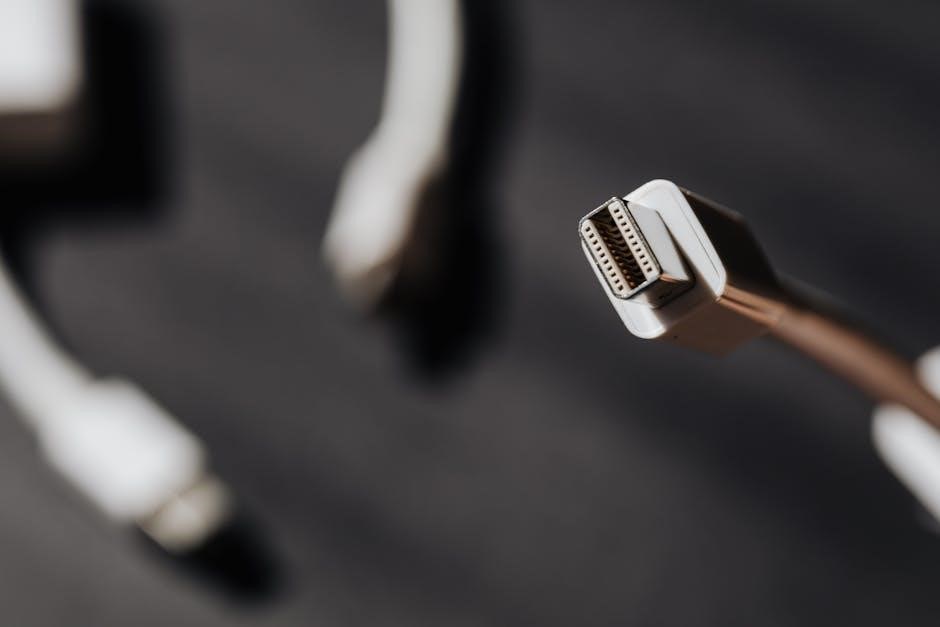
Windows laptops offer more port variety‚ but hubs can still enhance connectivity‚ especially for older USB-A devices. Versatile‚ portable hubs extend options for both‚ allowing connection of multiple peripherals. Consider the specific ports available on your laptop and the types of devices you intend to connect when selecting a hub.
USB Hubs for Apple Laptops (MacBook Pro/Air)
MacBook Pro and Air models‚ renowned for their sleek design‚ often feature limited ports‚ making USB-C or Thunderbolt hubs crucial accessories. These hubs expand connectivity‚ enabling simultaneous connection of external drives‚ displays‚ and other peripherals.
Prioritize hubs supporting Power Delivery (PD) to charge your MacBook while utilizing connected devices. Look for hubs offering multiple USB-C ports‚ alongside USB-A for legacy device compatibility. Versatile‚ portable hubs are ideal for maximizing the functionality of Apple laptops‚ especially for professionals needing high-speed data transfer.
USB Hubs for Windows Laptops
Windows laptops benefit significantly from USB hubs‚ addressing varying port availability and enhancing overall functionality. Depending on the model‚ consider hubs with USB-A‚ USB-C‚ or a combination of both to accommodate diverse devices.
For demanding tasks like video editing or large file transfers‚ prioritize hubs supporting USB 3.0 or higher for faster data speeds. Ensure compatibility with your laptop’s operating system and consider powered hubs if connecting multiple power-hungry devices. A multi-port hub is a smart decision for connecting all your essentials.

Troubleshooting Common USB Hub Data Transfer Issues
Slow transfer speeds are a frequent issue; check cable quality and length‚ as longer or damaged cables can hinder performance. Device recognition problems can stem from driver issues – ensure your laptop’s USB drivers are updated.
Try connecting devices directly to your laptop to isolate the hub as the source of the problem. A few simple tweaks on your computer can help ensure reliable flash drive operation. If issues persist‚ test with different devices and ports to pinpoint the cause. Consider a powered hub for demanding peripherals.
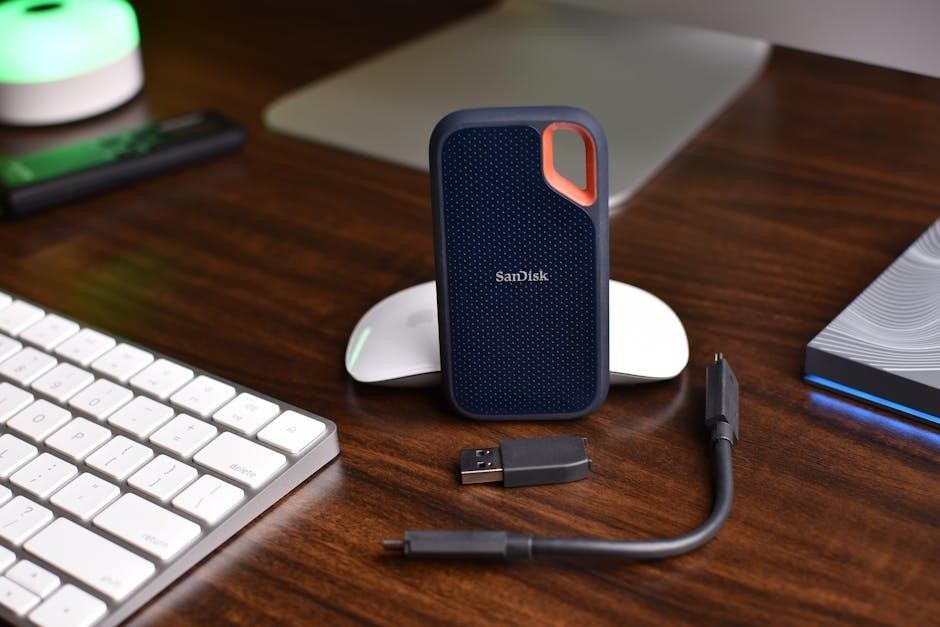
Slow Transfer Speeds
Slow transfer speeds with a USB hub often indicate a bottleneck. Begin by verifying the cable connecting the hub to your computer; a damaged or lengthy cable can significantly reduce data throughput. Ensure you’re utilizing the correct USB port on your computer – USB 2.0 will be slower than USB 3.0 or USB4.
Also‚ consider the devices connected. Some devices inherently transfer data slower than others. Testing with a faster storage device can help isolate the issue. Finally‚ outdated drivers can impede performance‚ so ensure your USB drivers are current.
Device Recognition Problems
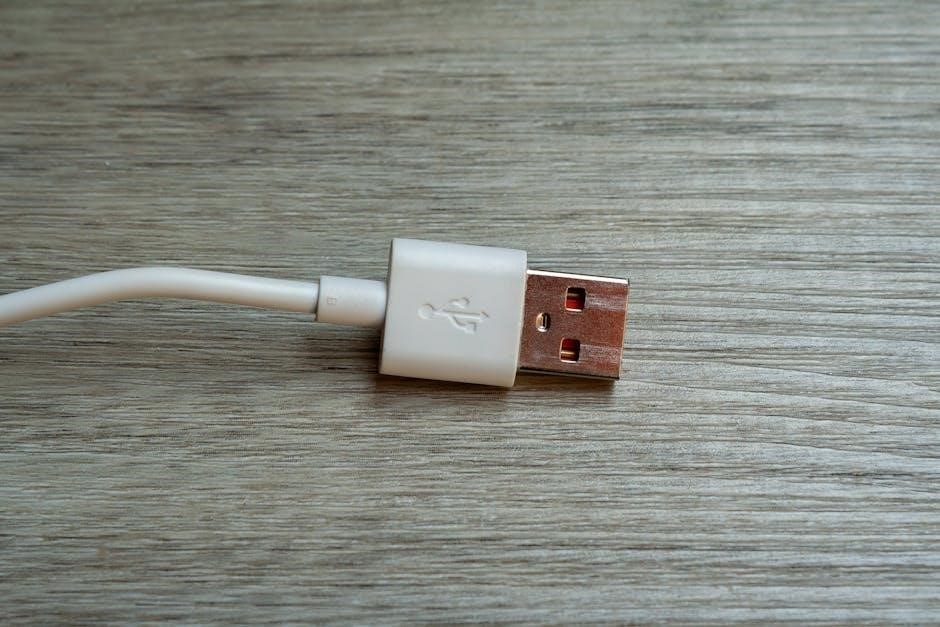
Device recognition issues with a USB hub can be frustrating. First‚ try disconnecting and reconnecting the device‚ and ensure it’s properly seated in the hub’s port. Test the device directly connected to your computer to rule out a device-specific problem. A driver update is often the solution; check the device manufacturer’s website for the latest drivers.
If problems persist‚ try a different USB port on your computer. Occasionally‚ a hub may require external power; ensure it’s adequately powered if it’s an unpowered hub. Restarting your computer can also resolve temporary glitches preventing device recognition.
Future Trends in USB Hub Technology
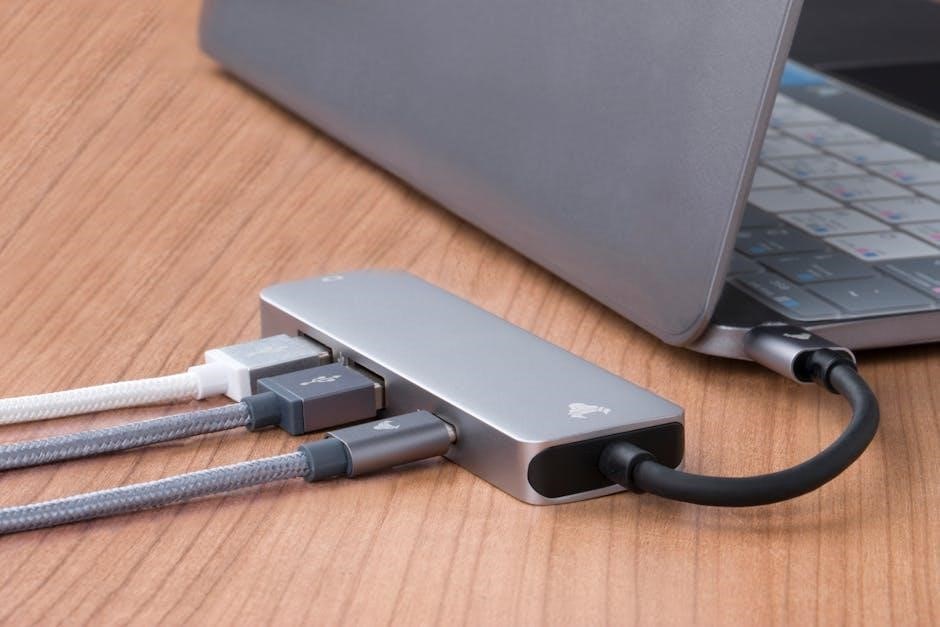
USB hub technology is rapidly evolving alongside USB standards. We can anticipate increased adoption of USB4 Version 2.0 hubs‚ delivering blazing-fast 80Gbps data transfer speeds. Expect more hubs integrating Thunderbolt connectivity for even greater bandwidth and display capabilities. Miniaturization will continue‚ leading to even more compact and portable hub designs.
Furthermore‚ hubs will likely incorporate more intelligent power delivery‚ optimizing charging for connected devices. Wireless charging integration within hubs is also a possibility. Software enhancements will focus on streamlined device management and improved compatibility across operating systems‚ enhancing the user experience.