

Article Plan: Short Stories with Similes and Metaphors PDF
This article explores utilizing short stories, like “The Most Dangerous Game” and “The Landlady,” to dissect similes and metaphors,
providing educational resources and Reddit’s r/ELATeachers for lesson planning.
Figurative language, particularly similes and metaphors, are cornerstones of compelling storytelling, elevating prose beyond literal description. These devices aren’t merely decorative; they fundamentally shape how readers perceive characters, settings, and themes. Short stories offer a concentrated and accessible platform for analyzing these techniques, allowing students and enthusiasts to pinpoint their effects within a manageable scope.
Similes and metaphors breathe life into narratives, creating vivid imagery and fostering deeper emotional connections. Consider how a simple simile – “It was like a cemetery,” from “The Landlady” – instantly establishes a chilling atmosphere. Similarly, the central metaphor in “The Most Dangerous Game,” framing the hunt as “outdoor chess,” reveals the intellectual and strategic dimensions of the conflict.
Exploring these devices in short fiction provides a practical understanding of their power, moving beyond definitions to demonstrate how they function within a complete narrative arc. This article will delve into specific examples, offering a guide to identifying and interpreting similes and metaphors, ultimately enhancing appreciation for the artistry of storytelling.
Why Use Similes and Metaphors?
Employing similes and metaphors transcends simple description; they unlock deeper layers of meaning and emotional resonance within a story. These figures of speech allow writers to convey complex ideas concisely, forging connections between the familiar and the unfamiliar, thereby enriching the reader’s understanding. They aren’t just about what happens, but how it feels.
Consider the impact on reader engagement. A well-placed simile, like comparing something to a “baby’s fist,” (as seen in City of Bones) can subtly shift tone, even if potentially problematic. Metaphors, such as “hunting Rainsford is outdoor chess,” immediately establish thematic significance and character motivations.

Ultimately, these devices enhance memorability. Figurative language creates striking images that linger in the mind long after the story concludes. They elevate writing from functional to artistic, transforming a narrative into an immersive and thought-provoking experience, making short stories ideal for analysis.
Defining Similes: Comparisons Using “Like” or “As”

Similes are a cornerstone of figurative language, functioning as explicit comparisons between two unlike things using the words “like” or “as.” They illuminate a quality of one subject by relating it to something the reader readily understands, creating a vivid and relatable image. This direct comparison isn’t meant to be literal, but rather to highlight a shared characteristic.
In short stories, similes add texture and depth. For example, “It was like a cemetery,” from “The Landlady,” immediately establishes a chilling atmosphere, associating the seemingly innocent bed and breakfast with death and decay. This isn’t stating it is a cemetery, but evokes that feeling.
The power lies in the reader’s interpretation. A successful simile sparks imagination and encourages a deeper engagement with the text, prompting them to consider the connection being drawn and its implications for the narrative.
Defining Metaphors: Implied Comparisons
Metaphors differ from similes by asserting a resemblance without using “like” or “as.” They create an implied comparison, stating that one thing is another, even though, literally, it isn’t. This creates a more forceful and often more subtle connection than a simile, demanding a bit more interpretive work from the reader.
Richard Connell’s “The Most Dangerous Game” provides a prime example: “hunting Rainsford is outdoor chess.” This isn’t a comparison like chess; it is chess, in Connell’s portrayal. This metaphor encapsulates the strategic, intellectual battle between Rainsford and Zaroff.
Effective metaphors enrich the narrative, adding layers of meaning and prompting readers to consider the deeper implications of the comparison. They aren’t merely decorative; they are integral to understanding the author’s intent and the story’s themes.

The Impact of Figurative Language on Reader Engagement
Figurative language, particularly similes and metaphors, dramatically enhances reader engagement by moving beyond literal description. It compels active participation, requiring readers to decode the comparisons and grasp the intended meaning, fostering a deeper connection with the text.
In Roald Dahl’s short stories, or even in “The Landlady,” a simile like “It was like a cemetery” doesn’t just describe a place; it evokes a feeling of unease and foreshadows danger. This emotional resonance is far more impactful than a simple statement of fact.
When figurative language is skillfully employed, it elevates the storytelling, creating vivid imagery and memorable moments. However, poorly chosen comparisons can disrupt the narrative flow and diminish the intended effect, highlighting the importance of careful selection.
Finding Short Stories with Rich Figurative Language
Locating short stories brimming with similes and metaphors is crucial for effective analysis and teaching. Classics like Richard Connell’s “The Most Dangerous Game” consistently appear as prime examples, offering a readily available case study for students.
Beyond established texts, online resources and teacher communities like Reddit’s r/ELATeachers provide valuable recommendations. Educators frequently share suggestions for stories that effectively utilize figurative language, catering to diverse age groups and reading levels.
Exploring magical realism also yields fruitful results, as this genre inherently relies on imaginative comparisons and symbolic representations. Websites dedicated to literary analysis and educational platforms like Study.com often curate lists of suitable stories, simplifying the search process.
“The Most Dangerous Game” by Richard Connell: A Case Study
Richard Connell’s “The Most Dangerous Game” serves as an excellent focal point for examining similes and metaphors in action. The story’s thrilling premise – a hunter becoming the hunted – lends itself to rich figurative language, enhancing the suspense and thematic depth.
A central element for analysis is the overarching metaphor comparing the hunt between Rainsford and Zaroff to a game of chess. This comparison, described as “outdoor chess,” immediately establishes the strategic and intellectual nature of their conflict, elevating the stakes beyond a simple physical pursuit.
Furthermore, the story is peppered with descriptive similes that vividly portray the setting and Rainsford’s emotional state, offering concrete examples for students to dissect and interpret. Study.com highlights these instances, making it a readily accessible resource for educators.
Hunting as “Outdoor Chess”: The Central Metaphor
The core metaphor in Richard Connell’s “The Most Dangerous Game” – hunting as “outdoor chess” – is profoundly significant. It transcends a simple comparison, fundamentally shaping how readers perceive the conflict between Rainsford and Zaroff. This isn’t merely a chase; it’s a calculated battle of wits, strategy, and endurance.
The “chess” analogy highlights Zaroff’s intellectual arrogance and his view of hunting as a sophisticated sport, devoid of moral constraints. Each move Rainsford makes is a response to Zaroff’s calculated strategy, mirroring the deliberate planning inherent in chess.
This metaphor elevates the narrative’s tension, transforming a physical pursuit into a psychological game. It emphasizes the importance of foresight, cunning, and the ability to anticipate one’s opponent’s actions. Analyzing this central metaphor unlocks a deeper understanding of the story’s themes and Connell’s masterful storytelling.
Examples of Similes in “The Most Dangerous Game”
Richard Connell skillfully employs similes within “The Most Dangerous Game” to vividly portray the setting and heighten the suspense. While the overarching theme relies on metaphor, specific instances of similes enrich the descriptive language and contribute to the story’s atmosphere.
Though pinpointing numerous, extensively detailed similes proves challenging, the story’s power lies more in its implied comparisons and the central “outdoor chess” metaphor. Connell prioritizes creating a sense of dread and immediacy over elaborate figurative language.
However, the impact of these subtle similes is undeniable, subtly enhancing the reader’s understanding of Rainsford’s experiences and the perilous environment. They contribute to the overall feeling of being hunted and the psychological strain experienced by the protagonist, solidifying the story’s impact.
Analyzing Similes and Metaphors in “The Landlady”
Roald Dahl’s “The Landlady” masterfully utilizes figurative language, particularly similes, to create a chilling and unsettling atmosphere. The story’s effectiveness hinges on subtle yet impactful comparisons that hint at the sinister nature lurking beneath the surface of the seemingly harmless Bed and Breakfast.
A prominent example is the simile: “It was like a cemetery.” This comparison immediately evokes images of death, stillness, and decay, contrasting sharply with the expected warmth and hospitality of a lodging. This single line dramatically shifts the reader’s perception of the setting.
Dahl’s choice of a cemetery isn’t arbitrary; it foreshadows the fate of previous guests and instills a sense of dread. The simile doesn’t explicitly state danger, but powerfully implies it, leaving a lasting impression on the reader and enhancing the story’s suspenseful tone.
“It was like a cemetery”: Creating Atmosphere
The simile “It was like a cemetery” in Roald Dahl’s “The Landlady” is pivotal in establishing the story’s unsettling and ominous atmosphere. This comparison transcends a simple descriptive detail; it functions as a powerful emotional cue, immediately associating the seemingly quaint Bed and Breakfast with death and decay.
Dahl deliberately chooses “cemetery” to evoke feelings of stillness, loneliness, and finality. The image conjures a sense of being trapped, mirroring Billy Weaver’s growing unease as he realizes the landlady’s peculiar obsession with preserving her past guests. This isn’t a welcoming space, but a mausoleum of sorts.
The simile’s impact lies in its subtlety. It doesn’t scream danger, but whispers it, creating a pervasive sense of dread that lingers throughout the story. This atmospheric effect is crucial to the narrative’s success, heightening the suspense and preparing the reader for the shocking revelation.
The Effect of this Simile on Reader Perception
The simile “It was like a cemetery” profoundly shapes reader perception of the Bed and Breakfast in Roald Dahl’s “The Landlady,” shifting it from a potentially comforting haven to a place of foreboding. This comparison immediately instills a sense of unease and suspicion, coloring every subsequent detail with a sinister hue.
Readers, primed by the cemetery association, begin to interpret seemingly innocuous elements – the stuffed animals, the landlady’s overly attentive nature, the lack of other guests – as subtly threatening. The simile acts as a filter, distorting our understanding of the setting and characters.
This altered perception is crucial to the story’s effectiveness. Dahl doesn’t explicitly state the danger; instead, he relies on the simile to create a psychological effect, making the reader complicit in uncovering the truth. It fosters a feeling of helplessness and dread, mirroring Billy’s own growing fear.
Exploring Figurative Language in Cassandra Clare’s “City of Bones”
Cassandra Clare’s “City of Bones” utilizes figurative language, though sometimes with mixed results, to build its fantastical world and character dynamics. The novel presents opportunities to analyze how effective comparisons enhance or detract from the narrative’s atmosphere.
An example arises during a nightclub scene, where a character’s necklace is described with a simile: “Around her neck was a thick silver chain, on which hung a dark red pendant the size of a baby’s fist.” While accurate, the image of a baby feels jarring and potentially undermines the established dark tone.
This highlights a crucial point: figurative language must align with the overall mood. A misplaced comparison can disrupt immersion. Analyzing such instances encourages critical thinking about authorial choices and the impact of imagery on reader experience, demonstrating both strengths and weaknesses.
Analyzing Problematic Imagery and Comparisons
Effective figurative language enhances a story, but problematic imagery can detract from its impact. It’s crucial to analyze comparisons that feel incongruous or disrupt the narrative’s established tone, as seen in some instances within “City of Bones”.
A key consideration is historical context; a simile or metaphor referencing an anachronistic element can break immersion. Similarly, comparisons that rely on insensitive or harmful stereotypes should be critically examined and discussed.
Students should learn to identify when figurative language feels forced or doesn’t serve a clear purpose. This isn’t about dismissing creativity, but about understanding how choices affect reader perception and the overall effectiveness of the storytelling. Recognizing these pitfalls fosters a more nuanced understanding of literary technique.
Maintaining Tone and Consistency with Figurative Language
Consistent tone is paramount in storytelling, and figurative language must reinforce, not undermine, that tone. A dark, suspenseful narrative requires comparisons that evoke similar feelings; jarringly cheerful similes would be detrimental.
Carefully consider the emotional weight of each metaphor and simile. Does it align with the overall mood? In “The Landlady,” the simile “It was like a cemetery” effectively amplifies the story’s unsettling atmosphere.
Avoid abrupt shifts in figurative style. A story employing subtle metaphors shouldn’t suddenly introduce overly dramatic similes. Maintaining consistency creates a cohesive reading experience, allowing the figurative language to subtly enhance, rather than distract from, the narrative’s core.
Magical Realism and Figurative Language
Magical realism heavily relies on figurative language to seamlessly blend fantastical elements with realistic settings. Similes and metaphors aren’t merely decorative; they’re integral to establishing the genre’s unique atmosphere.
Authors often employ unexpected comparisons to normalize the extraordinary. A commonplace object described with surreal imagery—like a pendant “the size of a baby’s fist” in Cassandra Clare’s work—becomes both familiar and unsettling.
Figurative language in magical realism often blurs the lines between the literal and symbolic, inviting readers to question perceptions of reality. This genre thrives on ambiguity, and carefully chosen similes and metaphors contribute to that sense of wonder and mystery, enriching the narrative’s depth.
Identifying Similes and Metaphors: A Practical Guide
Begin by closely reading short stories, actively searching for comparative language. Remember, similes use “like” or “as” to draw explicit connections—for example, “It was like a cemetery” from “The Landlady” immediately signals a simile.
Metaphors, however, are more implicit. Look for statements that equate two unlike things without using “like” or “as.” In “The Most Dangerous Game,” hunting is “outdoor chess,” a direct metaphorical comparison.
Consider the context. Ask yourself: what is being compared, and what effect does this comparison create? Does it enhance imagery, build atmosphere, or reveal character insights? Practice with varied texts, noting how authors utilize these devices to elevate their storytelling.
Common Pitfalls to Avoid When Using Similes and Metaphors
Avoid clichés; overused comparisons lose their impact. Strive for originality and freshness in your figurative language. Ensure relevance – the comparison should meaningfully connect to the narrative and enhance understanding, not distract.
Be mindful of tone. As highlighted by examples in “City of Bones,” a jarring simile or metaphor can disrupt the established atmosphere. A baby’s fist comparison felt out of place.
Maintain consistency. Figurative language should align with the story’s overall style and voice. Avoid anachronisms; comparisons should be appropriate for the story’s time period. Finally, don’t force it – if a simile or metaphor feels unnatural, it’s better to omit it.
Simile vs. Metaphor: Key Differences Explained
Similes explicitly compare two unlike things using “like” or “as,” creating a clear connection for the reader. For example, “It was like a cemetery,” from “The Landlady,” directly equates the B&B to a graveyard, evoking unease.
Metaphors, conversely, imply a comparison without using “like” or “as.” In “The Most Dangerous Game,” hunting is described as “outdoor chess,” a metaphor suggesting strategy and intellectual pursuit.
Essentially, a simile states something is like something else, while a metaphor states something is something else. Metaphors are often more impactful but require careful crafting to avoid confusion. Understanding this distinction is crucial for both analyzing and employing these devices effectively within short stories.
How Similes and Metaphors Enhance Character Development
Figurative language reveals character traits subtly. A character’s use of similes and metaphors can showcase their intelligence, emotional state, or worldview. Consider how a character describing a tense situation “like walking on eggshells” reveals their anxiety.
Authors use these devices to create internal consistency. A pragmatic character might employ straightforward metaphors, while a more imaginative one could favor elaborate similes.
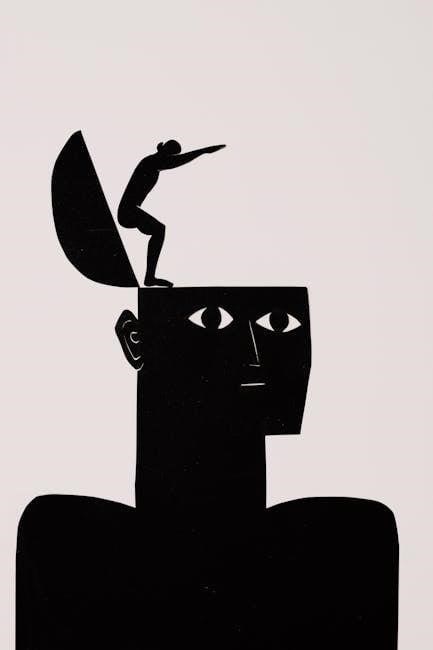
Furthermore, contrasting a character’s figurative language with their actions can create dramatic irony or highlight internal conflict. Examining how characters perceive and describe their surroundings through similes and metaphors offers profound insights into their personalities and motivations, enriching the narrative.
Using Similes and Metaphors to Build Setting and Mood
Similes and metaphors are potent tools for establishing atmosphere. Describing a location “like a cemetery,” as seen in “The Landlady,” instantly evokes feelings of unease and foreboding, shaping the reader’s perception.
Effective use avoids clichés; a fresh comparison resonates more powerfully. Authors can use figurative language to emphasize specific details, drawing attention to elements crucial to the story’s mood.
Consider how a description of a forest “as dark as a raven’s wing” creates a sense of mystery and potential danger. These devices don’t just describe a setting; they immerse the reader within it, fostering a stronger emotional connection to the narrative’s environment and overall tone.
Finding PDF Resources for Short Stories with Figurative Language
Locating readily available PDF versions of short stories rich in figurative language requires strategic searching. Educational websites like Study.com offer lesson plans analyzing texts like Richard Connell’s “The Most Dangerous Game,” often including downloadable resources.

Online literary databases and digital libraries frequently host public domain stories in PDF format. Searching for collections specifically curated for literary analysis can prove fruitful.
Furthermore, exploring educational resource platforms and teacher-sharing websites may yield pre-prepared materials, including annotated stories highlighting similes and metaphors. Remember to verify the source’s credibility and copyright permissions before utilizing any downloaded PDFs for educational purposes;
Educational Resources: Similes and Metaphors in Literature
Numerous online platforms provide comprehensive educational resources dedicated to similes and metaphors. Study.com, for instance, offers detailed analyses of literary works like “The Most Dangerous Game,” explicitly identifying and explaining figurative language within the text.
Websites dedicated to literary terms and techniques often include clear definitions, examples, and exercises to reinforce understanding. These resources can be invaluable for students learning to identify and interpret similes and metaphors.

Additionally, platforms like Brainly.com host discussions and examples contributed by students and educators, offering diverse perspectives on literary devices. Utilizing these resources alongside carefully selected short stories in PDF format enhances the learning experience.
Reddit (r/ELATeachers) as a Resource for Story Ideas
The r/ELATeachers subreddit serves as a vibrant community for English educators, offering a wealth of ideas and resources. Teachers frequently request and share short story suggestions suitable for exploring literary devices like similes, metaphors, and personification.
Discussions within the subreddit often focus on finding engaging narratives that effectively demonstrate these techniques. Requests for stories addressing specific themes, such as the challenges of adolescence, are common, alongside recommendations beyond well-known examples like Sandra Cisneros’ “Eleven.”
Furthermore, r/ELATeachers is a valuable space to discover poems rich in figurative language and to brainstorm lesson plans centered around analyzing these elements in short story PDFs. It’s a collaborative hub for enriching literary instruction.
Lesson Plans Incorporating Similes and Metaphors
Effective lesson plans centered around short stories and figurative language should begin with identifying examples of similes and metaphors within the text, such as those found in Richard Connell’s “The Most Dangerous Game.”
Activities could include close reading exercises where students dissect the comparisons, explaining their impact on imagery and tone. Analyzing how similes, like “It was like a cemetery” from “The Landlady,” contribute to the story’s atmosphere is crucial.
Further exercises might involve students crafting their own similes and metaphors based on story elements, or rewriting passages to enhance figurative language. Utilizing online resources like Study.com can supplement these plans, providing additional examples and analytical frameworks.
Examples of Other Literary Devices (Oxymorons, Hyperboles, etc.)
While focusing on similes and metaphors, acknowledging other literary devices enriches analysis of short stories. Brainly.com highlights examples like oxymorons, hyperboles, and alliteration, demonstrating a broader range of stylistic choices authors employ.
Exploring these devices alongside figurative language reveals how they collectively contribute to a story’s overall effect. For instance, a hyperbole might amplify a character’s emotional state, complementing a metaphor describing their internal turmoil.
Lesson plans can incorporate identifying these devices in texts like “The Most Dangerous Game” or “The Landlady,” fostering a more comprehensive understanding of literary techniques. Recognizing their interplay enhances critical thinking and analytical skills, moving beyond simple identification.

The Role of Personification in Complementing Similes and Metaphors
Personification, attributing human qualities to inanimate objects or abstract concepts, beautifully complements similes and metaphors in storytelling. It adds layers of meaning and emotional resonance, deepening reader engagement with the narrative.
When used alongside figurative language, personification can amplify the impact of comparisons. For example, a simile describing a menacing forest might be strengthened by personifying the trees as watchful sentinels.
Educational resources should encourage students to identify instances of personification within short stories, analyzing how it interacts with similes and metaphors to create vivid imagery and enhance thematic development. Recognizing this interplay fosters a nuanced understanding of literary artistry.
Advanced Techniques: Extended Metaphors and Conceits
Beyond simple similes and metaphors, advanced writers employ extended metaphors and conceits to weave intricate layers of meaning throughout their stories. An extended metaphor sustains a comparison over several lines or even the entire narrative, creating a powerful unifying effect.

A conceit, a particularly striking and unconventional metaphor, often demands intellectual engagement from the reader. “The Most Dangerous Game” utilizes the central metaphor of hunting as “outdoor chess,” a conceit that permeates the story’s conflict and themes.

Analyzing these techniques in short stories allows students to appreciate the artistry of complex figurative language. Educational materials should guide them in tracing the development of extended metaphors and deciphering the nuances of conceits, fostering critical thinking and analytical skills.
Mastering Figurative Language for Compelling Storytelling
Ultimately, a strong grasp of similes and metaphors is crucial for both reading and writing compelling narratives. Short stories, like those by Richard Connell and Cassandra Clare, offer excellent case studies for analyzing how figurative language shapes meaning, atmosphere, and character development.
By understanding the subtle differences between similes and metaphors, and recognizing advanced techniques like extended metaphors, students can elevate their own storytelling abilities. Resources like Study.com and Reddit’s r/ELATeachers provide valuable tools for educators.
Effective use of figurative language isn’t merely decorative; it’s fundamental to creating immersive experiences and resonating with readers on a deeper emotional level, transforming simple tales into unforgettable journeys.