

Bike Wheel Size Guide: Finding the Right Fit
Navigating bike wheel sizes can be complex‚ but understanding how height correlates with optimal wheel diameter is crucial for comfort and performance.
Understanding Wheel Size Basics
Bike wheel sizes are designated by the outer diameter of the tire when inflated‚ not the rim itself. Common sizes include 26-inch‚ 27.5-inch (650b)‚ 29-inch‚ and 700c (primarily for road and gravel bikes). Rider height significantly influences which wheel size provides the best handling‚ efficiency‚ and overall riding experience.
Generally‚ taller riders benefit from larger wheel diameters like 29-inch or 700c‚ as these maintain proper proportions and rolling efficiency. Shorter riders often find 26-inch or 27.5-inch wheels more manageable‚ offering better control and acceleration. However‚ these are just starting points; inseam and body proportions also play a vital role in determining the ideal fit.
Why Wheel Size Matters for Rider Height
Wheel size impacts a rider’s center of gravity‚ influencing handling and stability. For taller individuals‚ larger wheels maintain optimal geometry‚ preventing a cramped riding position and enhancing efficiency over varied terrain. Conversely‚ smaller wheels suit shorter riders‚ offering better ground clearance and easier maneuverability.
Incorrect wheel size can lead to discomfort‚ reduced control‚ and inefficient pedaling. A wheel that’s too large can feel unwieldy‚ while one that’s too small may result in frequent pedal strikes and a less comfortable ride. Matching wheel size to height ensures a harmonious connection between rider and bike‚ maximizing performance and enjoyment.
26-Inch Wheels: A Traditional Choice
Historically dominant‚ 26-inch wheels remain prevalent‚ particularly in older mountain bikes and some BMX models. They offer a responsive feel and are well-suited for navigating tight‚ technical trails. However‚ they’re gradually being superseded by larger diameters for many applications.
These wheels are often a good fit for riders prioritizing agility over rolling efficiency. While not the fastest option‚ 26-inch wheels provide a comfortable and predictable ride. They are a viable choice for specific riding styles and rider preferences‚ especially for those seeking a classic bike feel.
Rider Height Range for 26-Inch Wheels
Generally‚ riders between 5’2” and 5’8” (157cm ─ 173cm) often find a comfortable and proportional fit with 26-inch wheels. This range isn’t absolute‚ as inseam length and overall body proportions play a significant role. Shorter riders benefit from the increased maneuverability and easier handling offered by this wheel size.
However‚ taller individuals within this range might find themselves feeling cramped or sacrificing some efficiency. It’s crucial to test ride and consider individual body geometry. A professional bike fit can precisely determine the optimal wheel size based on your unique measurements and riding style.
Common Bike Types Using 26-Inch Wheels
Historically‚ 26-inch wheels were the standard across many bike types‚ but their prevalence has decreased with the rise of 27.5 and 29-inch options. They remain common on older mountain bikes‚ particularly hardtails‚ offering nimble handling and affordability.
You’ll also frequently find 26-inch wheels on some BMX bikes‚ where quick acceleration and maneuverability are paramount. Certain entry-level and recreational bikes may still utilize this size due to cost considerations. While not as dominant as before‚ 26-inch wheels continue to serve a purpose for specific riding styles and budgets‚ especially for riders within the appropriate height range.
27.5-Inch (650b) Wheels: The Versatile Option
27.5-inch wheels‚ also known as 650b‚ strike a balance between the speed of 29ers and the agility of 26-inch wheels‚ making them a versatile choice for various riders. They’re particularly popular among trail and all-mountain mountain bikers seeking a playful yet capable ride.
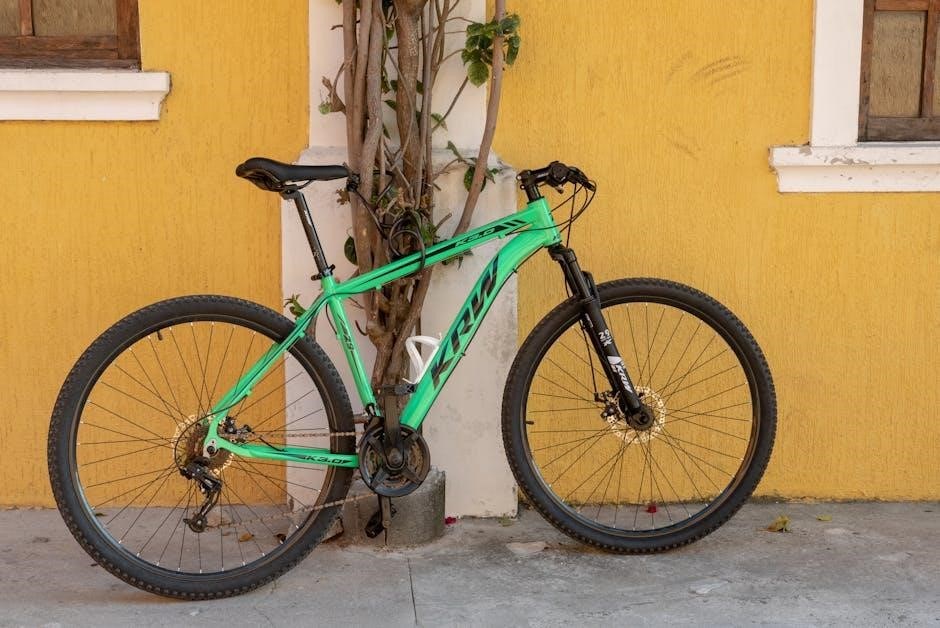
This wheel size often suits riders who find 29-inch wheels feel too large or sluggish. They offer good rollover ability without sacrificing responsiveness. 27.5 wheels are a solid option for those seeking a blend of performance characteristics‚ providing a comfortable and efficient ride across diverse terrains‚ especially for intermediate height ranges.
Rider Height Range for 27.5-Inch Wheels
Generally‚ riders between 5’2” and 5’10” (157cm ― 178cm) often find 27.5-inch wheels to be a good fit. However‚ this is a guideline‚ and individual proportions and preferences play a significant role.
Shorter riders benefit from the increased maneuverability and quicker acceleration offered by the smaller diameter. Taller riders within this range may appreciate the balance between rollover capability and nimble handling. It’s crucial to consider inseam length alongside height‚ as this impacts standover height and overall bike fit. A professional bike fitting is recommended to confirm the optimal wheel size for your specific body geometry and riding style;
Benefits of 27.5-Inch Wheels
27.5-inch wheels strike a compelling balance‚ offering advantages for a wide range of riders and terrains. They accelerate quicker than 29-inch wheels‚ making them responsive on climbs and in tight‚ technical sections.
The smaller diameter provides enhanced maneuverability‚ allowing for easier cornering and navigating obstacles. For riders with shorter torsos or arms‚ 27.5-inch wheels can improve bike handling and control. They also offer a good compromise between rollover ability and agility‚ making them versatile for trail riding‚ all-mountain‚ and even some cross-country applications. This makes them a popular choice for riders seeking a playful and efficient ride.

29-Inch Wheels: Rolling Over Everything
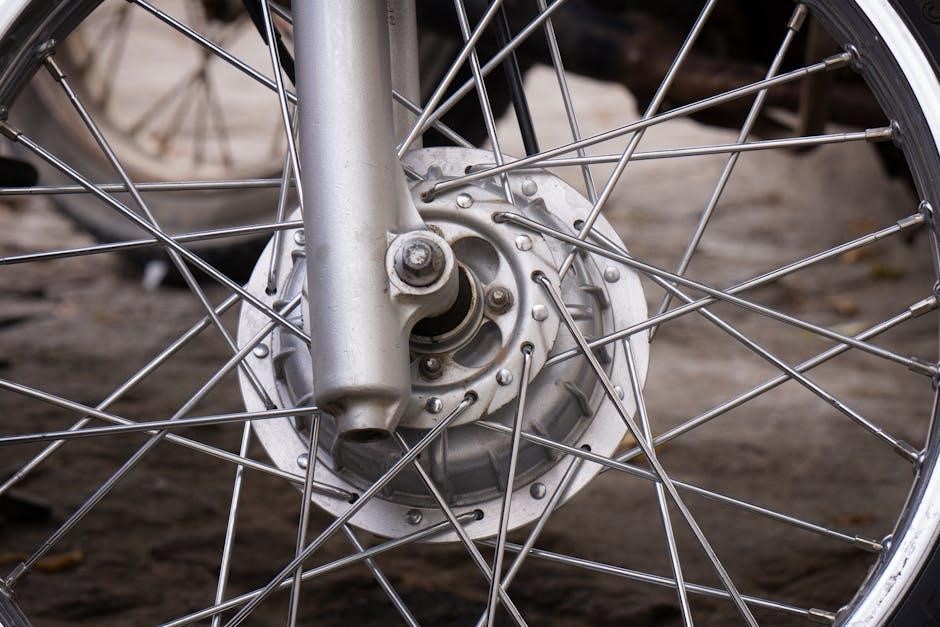
For riders prioritizing efficiency and conquering challenging terrain‚ 29-inch wheels are a dominant choice. Their larger diameter excels at rolling over obstacles like rocks‚ roots‚ and ruts‚ providing a smoother and faster ride.
Taller riders‚ generally above 5’9”‚ often benefit most from 29-inch wheels‚ as they complement their longer limbs and provide a more stable feel. The increased wheel circumference maintains momentum better‚ reducing the effort needed to keep moving. This translates to improved speed on flatter sections and easier climbing on moderate gradients. They are particularly favored in cross-country and trail riding disciplines.
Rider Height Range for 29-Inch Wheels
Determining the ideal rider height for 29-inch wheels involves considering overall body proportions‚ but a general guideline exists. Riders typically 5’9” (175cm) and taller usually find 29-inch wheels provide the best balance of comfort‚ control‚ and efficiency.
Individuals between 5’7” and 5’9” may also be suitable candidates‚ depending on their inseam and arm length. Shorter riders might experience a slightly more challenging time maneuvering a larger wheel‚ potentially impacting handling. However‚ modern frame geometry is mitigating this issue. Always prioritize a professional bike fit to ensure optimal sizing and prevent discomfort or strain.
Advantages of 29-Inch Wheels for Different Terrains
For taller riders‚ 29-inch wheels excel across varied terrains‚ offering superior roll-over capability compared to smaller diameters. On rough‚ root-filled trails‚ the larger wheel maintains momentum more effectively‚ reducing rider fatigue; The increased contact patch enhances traction‚ boosting confidence on loose surfaces.
On smoother trails and gravel roads‚ 29ers maintain speed efficiently. While potentially less nimble than 27.5-inch wheels in tight corners‚ the stability they provide at higher speeds is a significant advantage. Rider height plays a role; taller riders benefit more from the leverage and stability offered by the larger wheel size.
Road Bike Wheel Sizes (700c)
700c wheels are the standard for road bikes‚ offering a balance of speed and efficiency‚ and are largely influenced by rider height. While not directly tied to height like mountain bike wheels‚ 700c compatibility is crucial for proper bike fit. Taller riders generally find 700c wheels provide optimal leverage and a comfortable riding position.
These wheels come in varying widths‚ impacting tire volume and ride quality. Selecting the correct frame size‚ paired with 700c wheels‚ ensures efficient power transfer and handling. Proper fit minimizes strain and maximizes performance‚ making 700c a versatile choice for diverse road cycling disciplines.
700c Wheel Dimensions and Variations

700c wheels aren’t a single size; they encompass variations in internal rim width and tire compatibility‚ subtly influencing the ideal fit for different heights. The “700” refers to the outer diameter‚ but tire width significantly alters the overall wheel circumference. Common widths range from 18c to 25c for traditional road racing‚ offering a narrower profile for aerodynamics.
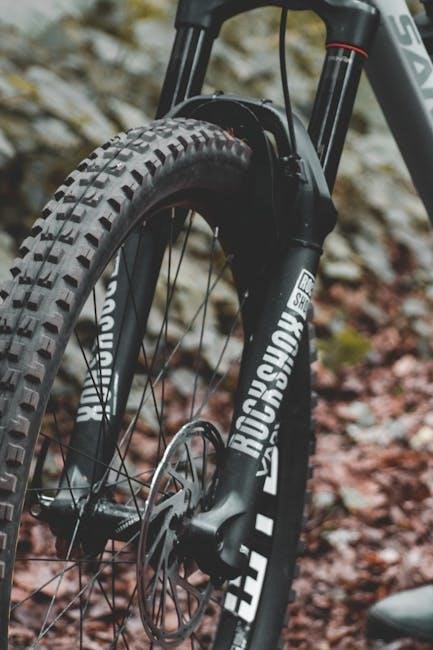
Wider widths‚ like 28c or 32c‚ provide increased comfort and grip‚ often favored by taller riders or those prioritizing endurance. These variations impact handling and rolling resistance‚ so selecting the appropriate width‚ alongside frame size‚ is vital for a comfortable and efficient ride tailored to your stature.

Rider Height and 700c Wheel Compatibility
Generally‚ 700c wheels suit riders ranging from approximately 5’8” (173cm) and taller‚ though this is a guideline‚ not a rigid rule. Taller individuals benefit from the larger diameter‚ as it covers more ground per pedal stroke‚ enhancing efficiency over longer distances. Shorter riders might find 700c wheels less nimble‚ potentially impacting handling.
However‚ tire width plays a crucial role; a narrower 700c tire can be manageable for some shorter riders. Frame geometry also influences fit – a smaller frame paired with 700c wheels might feel different than a larger frame. Ultimately‚ a professional bike fit is recommended to ensure optimal compatibility between rider height‚ wheel size‚ and bike geometry.
Gravel Bike Wheel Sizes (700c & 650b)
Gravel bikes uniquely offer a choice between 700c and 650b wheelsets‚ impacting ride characteristics and suitability for different rider heights and terrains. Traditionally‚ 700c wheels were standard‚ favored by taller riders seeking efficiency on smoother gravel. However‚ 650b wheels are gaining popularity‚ particularly among shorter riders or those prioritizing comfort and control.
The smaller diameter of 650b wheels allows for wider tires‚ increasing volume and cushioning. This enhances grip and stability on rough surfaces. Rider height influences the decision; shorter riders often find 650b wheels more manageable‚ while taller riders may prefer the rolling efficiency of 700c.
The Rise of 650b Wheels in Gravel Riding
The increasing adoption of 650b wheels in gravel cycling stems from their ability to enhance comfort and control‚ particularly for riders who might find 700c wheels less manageable. Shorter riders‚ often struggling with the larger diameter of 700c‚ benefit significantly from the smaller 650b size‚ achieving a more proportional fit and improved handling.
This shift isn’t solely height-dependent; riders prioritizing stability on technical terrain also favor 650b. The ability to run wider tires with lower pressures provides superior grip and shock absorption. Consequently‚ 650b wheels are becoming a preferred choice for a broader range of gravel riders seeking a more playful and confident ride experience.
Choosing Between 700c and 650b for Gravel
For riders around 5’6” and under‚ 650b wheels often present a more balanced gravel experience‚ offering similar gearing to 700c while improving handling and comfort. Taller individuals‚ generally above 5’9”‚ typically find 700c wheels more efficient for covering distances and maintaining speed on smoother gravel sections.
However‚ terrain plays a crucial role. If your gravel routes are highly technical with frequent obstacles‚ 650b’s increased tire volume can be advantageous regardless of height. Conversely‚ predominantly smooth gravel paths favor 700c’s rolling efficiency. Ultimately‚ a test ride with both wheel sizes is invaluable for determining the best fit for your body and riding style.
Factors Beyond Height: Inseam and Proportions
While height provides a starting point‚ inseam and overall body proportions significantly influence optimal bike fit and‚ consequently‚ wheel size selection. Individuals with longer legs relative to their torso may comfortably ride larger wheels‚ even if slightly shorter in overall height.

Conversely‚ those with shorter legs and a longer torso might benefit from smaller wheels for improved standover clearance and maneuverability. Arm length also matters‚ impacting reach and control. A professional bike fit considers these proportions‚ ensuring the frame size and wheel diameter work harmoniously with your unique anatomy‚ maximizing comfort and efficiency on the road or trail.
Wheel Size and Tire Width Considerations
The interplay between wheel size and tire width is critical for ride quality and performance‚ especially when factoring in rider height and intended use. Larger wheels (29-inch‚ 700c) generally accommodate narrower tires for speed and efficiency‚ while smaller wheels (26-inch‚ 650b) can utilize wider tires for increased comfort and traction.
Taller riders often pair larger wheels with appropriate tire widths to maintain rolling efficiency‚ whereas shorter riders might prefer smaller wheels with wider tires for enhanced stability and control. Considering terrain is also vital; rougher surfaces benefit from wider tires regardless of wheel size‚ providing better shock absorption and grip.
Impact of Wheel Size on Bike Handling
Wheel size significantly influences a bike’s handling characteristics‚ impacting agility‚ stability‚ and responsiveness‚ all considerations linked to rider height. Larger wheels (29-inch‚ 700c) offer greater momentum and roll over obstacles more easily‚ but can feel less nimble‚ particularly for shorter riders.
Smaller wheels (26-inch‚ 650b) provide quicker acceleration and tighter turning‚ making them more maneuverable‚ which benefits riders with a lower center of gravity. Rider height affects how these characteristics are perceived; taller riders may find larger wheels more stable‚ while shorter riders might prefer the responsiveness of smaller wheels.
Converting Wheel Sizes: A Quick Reference
Understanding equivalent wheel sizes is helpful when comparing bikes or considering tire options‚ especially as it relates to rider height and fit. A 26-inch wheel has a diameter roughly equivalent to a 559mm bead seat diameter (BSD).
A 27;5-inch (650b) wheel corresponds to a 584mm BSD‚ offering a middle ground. The standard 29-inch wheel utilizes a 622mm BSD‚ the same as a 700c road wheel‚ though tire widths differ. Rider height influences the perceived difference; a taller rider will notice the 29/700c’s rolling advantage more than a shorter rider. These conversions aid in finding comparable options.
Bike Size Charts by Height (General Guidelines)

These charts offer a starting point‚ but individual proportions significantly impact the ideal bike size and wheel choice based on height. For 26-inch wheels‚ riders under 5’6” often find a good fit.
Those between 5’6” and 5’10” may consider 27.5-inch wheels‚ while individuals exceeding 5’10” generally benefit from 29-inch wheels. Road bikes (700c) typically suit riders above 5’4”. Remember‚ these are broad guidelines; inseam and torso length are crucial factors. Always prioritize a professional bike fit for optimal comfort and efficiency‚ as height alone isn’t definitive.
Finding Your Ideal Bike Size: Professional Fitting
While height provides a preliminary estimate‚ a professional bike fit is paramount for pinpointing your ideal size and wheel combination. Experts analyze your body geometry‚ flexibility‚ and riding style to optimize bike setup.
They assess inseam‚ torso length‚ arm reach‚ and foot size‚ going beyond simple height-based charts. A fitter will recommend adjustments to saddle height‚ handlebar reach‚ and stem length‚ ensuring efficient power transfer and minimizing strain. Considering wheel size during a fit is vital; a fitter can advise on whether 27.5”‚ 29”‚ or 700c wheels best suit your build and riding preferences‚ maximizing comfort and performance.
Resources for Further Research and Bike Sizing
Numerous online tools and resources can supplement your wheel size research‚ though professional fitting remains ideal. ICAN Cycling offers comprehensive bike size charts‚ detailing frame and tire considerations alongside height recommendations.
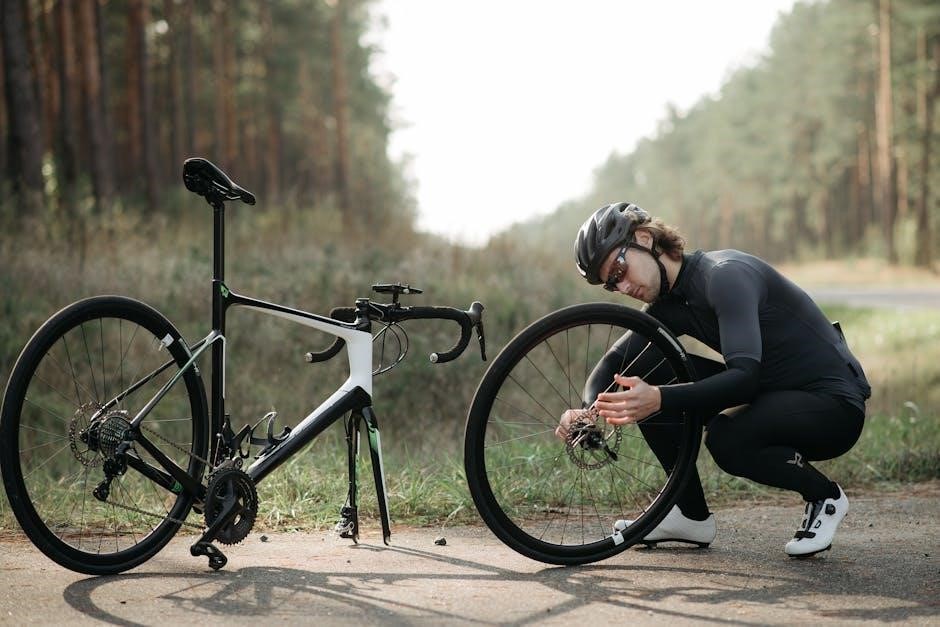
Explore tire size charts for various disciplines – mountain‚ road‚ gravel – to understand rim compatibility. Websites like Competitive Cyclist provide detailed bike sizing guides and virtual fit calculators. Remember these are starting points; individual proportions vary. Local bike shops offer expertise and fitting services. Utilize manufacturer websites for specific model sizing information‚ and consult cycling forums for community insights and shared experiences regarding wheel size and rider height.